Which Vinyl Record Cleaning Machine Fits Your Needs?
If your records look clean but still play with crackle, dullness, or random ticks, a vinyl record cleaner machine can help when the problem is dirt rather than damage. The best choice is usually not the most expensive one; it is the cleaner that matches how many records you own, how often you buy used vinyl, and how much drying time you are willing to deal with.
What does a vinyl record cleaner machine do?
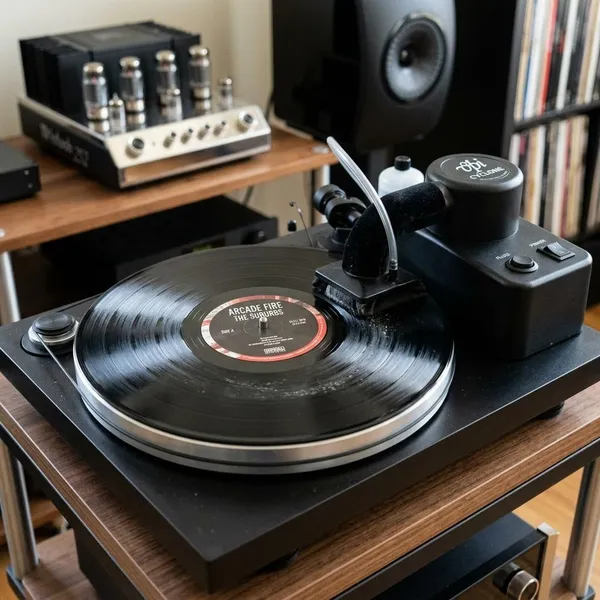
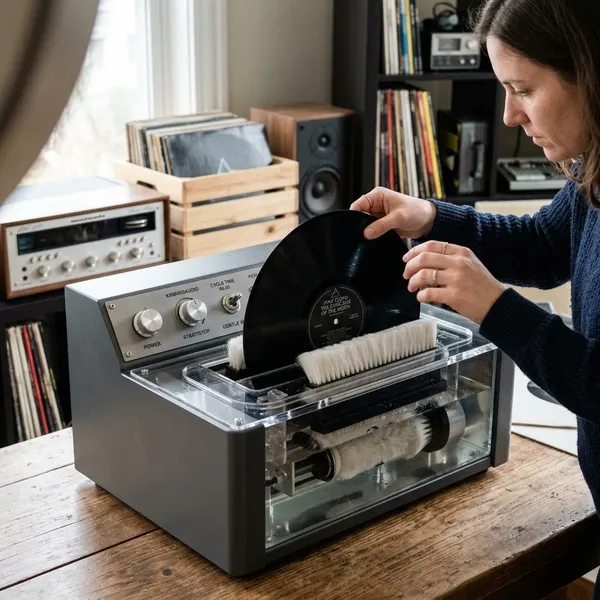
A record brush is useful before playback, but it mostly handles loose surface dust. A machine goes further by using fluid, brushes, suction, or ultrasonic action to loosen material that sits inside the groove.
Removes dust and debris from the grooves
Record grooves are narrow enough that dust can stay hidden even when the surface looks fine. A cleaner machine uses wet contact and movement to lift particles instead of just pushing them around. This is especially useful for thrift-store finds, inherited records, or albums that have been stored in paper sleeves for years.
Lifts oils and cleaning residue
Fingerprints, smoke film, old cleaning sprays, and sleeve residue can cling to the groove walls. Wet cleaning helps break that film down so it can be removed instead of drying back onto the record.
Vacuum machines are particularly helpful here because they pull dirty fluid away after cleaning. With manual bath cleaners, the rinse and drying routine matters more, because contaminated fluid can stay on the disc if you rush the process.
Helps reduce dirt-related surface noise
Clicks and crackle caused by loose dirt often improve after cleaning. Noise caused by scratches, groove wear, or a bad pressing will not disappear, so a cleaner is best viewed as a way to remove contamination, not as a record repair tool.
Types of vinyl record cleaner machines
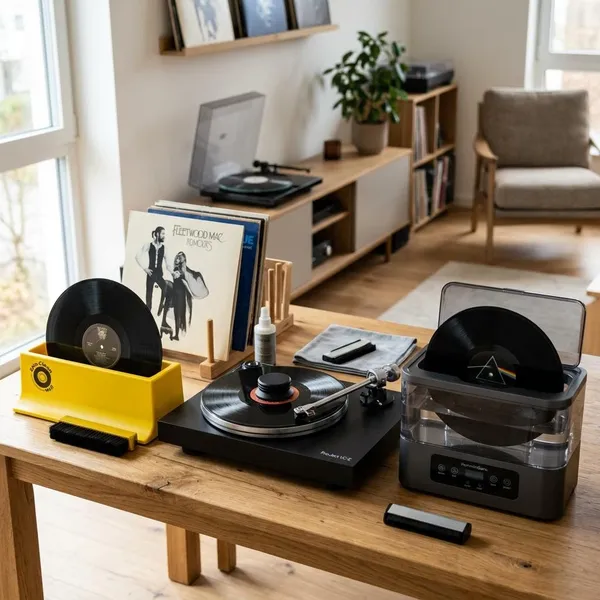
Most home buyers end up comparing three types: manual bath cleaners, vacuum cleaners, and ultrasonic cleaners. The right one depends less on the label and more on your real cleaning routine.
| Cleaner type | Best fit | Main tradeoff |
|---|---|---|
| Manual bath | Small collections, occasional cleaning, tighter budgets | More handling and slower drying |
| Vacuum | Regular used-record buyers who want faster, cleaner results | Higher cost, more noise, more space |
| Ultrasonic | Large collections, deep cleaning, batches of older records | Most expensive and more setup-sensitive |
Do vinyl record cleaner machines improve sound?
They can improve sound when dirt is the thing getting between the stylus and the groove. The change is often most obvious on used records, dusty records, or albums that sound dull despite looking acceptable.
They can reduce noise caused by dirt
Dirt-related noise usually shows up as random ticks, light crackle, or a rough background. Cleaning can reduce that because the stylus is no longer striking as much loose material during playback.
They can improve clarity on dirty records
When grime is masking the groove, cleaning may make vocals sound less veiled, treble cleaner, and quiet details easier to hear. This is not a remastering effect; it is simply the stylus tracing the record with less interference.
They cannot repair scratches or groove wear
A scratch, groove burn, or damage from a worn stylus is physical damage. Cleaning may remove dirt sitting inside that damage, but the mark itself remains. If a record still repeats, distorts, or crackles in the same spot after careful cleaning, replacement is usually more realistic than more cleaning.
What to look for in a vinyl record cleaner machine
Start with your habits, not the biggest feature list. Someone with 40 carefully bought new records needs a different machine from someone who buys dusty used LPs every weekend.
- How dirty are your records usually? Light dust does not require the same tool as oily, moldy, or long-stored vinyl.
- How many records will you clean at once? One album a week and 100 inherited LPs are very different jobs.
- Will you actually use it? A powerful machine that is awkward to set up often becomes shelf clutter.
Cleaning method and performance
Choose the cleaning method around the records you own most often. Manual bath cleaners suit light cleaning and lower budgets. Vacuum machines are better when dirty fluid removal matters. Ultrasonic cleaners make more sense when you have many older or heavily used records that need deeper groove cleaning.
If you are unsure, look at your last ten record purchases. Mostly sealed albums point toward a simpler cleaner. Mostly bargain-bin or estate-sale records point toward vacuum or ultrasonic cleaning.
Drying speed and convenience
Drying speed affects whether cleaning feels easy or annoying. Manual systems often require air drying, while vacuum machines remove most liquid quickly. Ultrasonic systems may still need a separate drying step depending on the model.
For occasional cleaning, slower drying may be fine. For evening listening, where you want to clean a new purchase and play it soon after, faster drying becomes a real advantage.
Record capacity and cleaning time
Single-record machines are fine for normal home use, but they can feel slow with large batches. Some ultrasonic systems can clean multiple records at once, which helps if you are processing a collection rather than cleaning one favorite album.
Do not judge time only by the cleaning cycle. Include setup, fluid changes, drying, and putting records into clean sleeves. Those small steps decide whether the machine fits your routine.
Fluid and maintenance costs
The purchase price is only part of the cost. Cleaning fluid, distilled water, brushes, pads, filters, rollers, and replacement sleeves can add up if you clean often.
- Check fluid requirements: Some systems work best with specific solutions.
- Check replacement parts: Brushes and pads should be easy to buy.
- Check cleaning waste: Dirty bath water or used fluid needs regular changing.
Size and storage space
A cleaner that fits your room is more useful than one you dread setting up. Compact manual units are easier to store in apartments or shared rooms. Larger vacuum and ultrasonic machines may need a permanent spot, plus space for fluid, drying racks, and sleeves.
If storage is tight, measure the space before buying and think through the whole process: where the machine sits, where wet records dry, and where clean sleeves are kept.
How to use a vinyl record cleaner machine
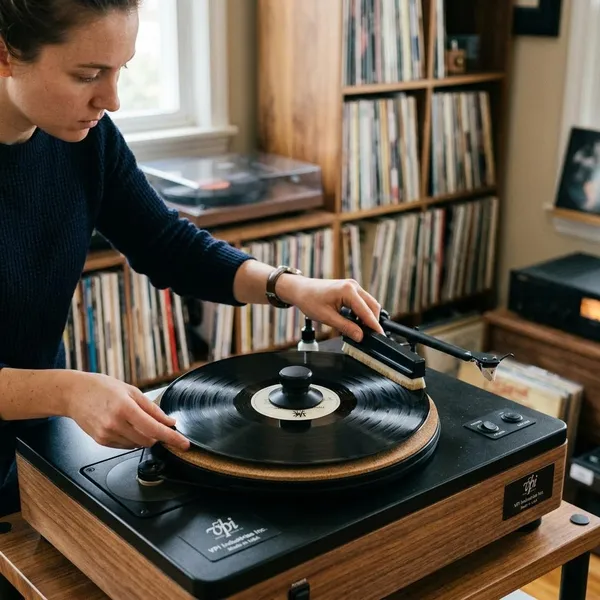
Most machines follow the same basic routine: remove loose dust, prepare the fluid, clean with the correct cycle, dry fully, and store the record in a clean sleeve. The exact process depends on the model, but the common mistakes are similar across all types.
Remove loose dust first
Use a carbon fiber or anti-static brush before wet cleaning. This removes the easiest debris and keeps the bath, brush pads, or vacuum path cleaner. Pressing hard is not the goal; light contact and careful handling are safer.
Prepare the cleaner and fluid
Set up the machine on a clean, stable surface and use the fluid type the machine calls for. If distilled or deionized water is recommended, avoid tap water because minerals can be left behind as the record dries.
Also check the machine itself before starting. Dirty brushes, old bath water, or dusty drying racks can put contamination back onto a record you are trying to clean.
Run the proper cleaning cycle
Follow the normal cycle before trying anything more aggressive. With a manual bath, rotate evenly. With a vacuum cleaner, give the fluid enough contact time before suction. With an ultrasonic cleaner, avoid cramming records too close together or extending cycles without a reason.
For a very dirty used record, repeating a standard cycle is usually safer than scrubbing harder. Force is where people often create new problems.
Let the record dry fully
A record should be dry before it touches the turntable or sleeve. Moisture can carry residue, attract dust, or leave spots. Vacuum drying shortens the wait, but it does not mean you should handle the playing surface or stack records immediately.
Place it in a clean inner sleeve
Putting a cleaned record back into an old paper sleeve is one of the easiest ways to undo the work. A clean anti-static sleeve is a small upgrade that keeps paper fibers and old dust away from the groove.
Conclusion
A vinyl record cleaner machine is worth considering when dirty records are getting in the way of listening, but the sensible choice depends on your habits. Pick a manual cleaner for occasional low-cost care, a vacuum machine if used records are part of your routine, and an ultrasonic model only when deeper cleaning or batch work will genuinely save you time.
FAQ
How often should you clean vinyl records?
Deep clean a record when it is newly bought used, visibly dirty, or noisier than its condition suggests. For normal playback, a light brush before each side is usually enough.
Do new vinyl records need cleaning?
Sometimes. New records can have sleeve dust or pressing residue, so a first clean is useful if you hear light crackle or see debris under good light.
Can a record cleaner remove mold?
It can remove light surface mold or mildew, but handle moldy records carefully and keep them away from clean sleeves and other records. Staining, odor, or damage may remain even after cleaning.