Which Songs Define The Last of Us Soundtrack?
The Last of Us video game soundtrack is worth hearing even if you are not replaying the game, but it works best when you know what to listen for: the ronroco, the silence, and the small repeated themes. Gustavo Santaolalla's 2013 score is not built like a loud action soundtrack. It is intimate, rough-edged, and designed to make grief and danger feel close rather than cinematic.
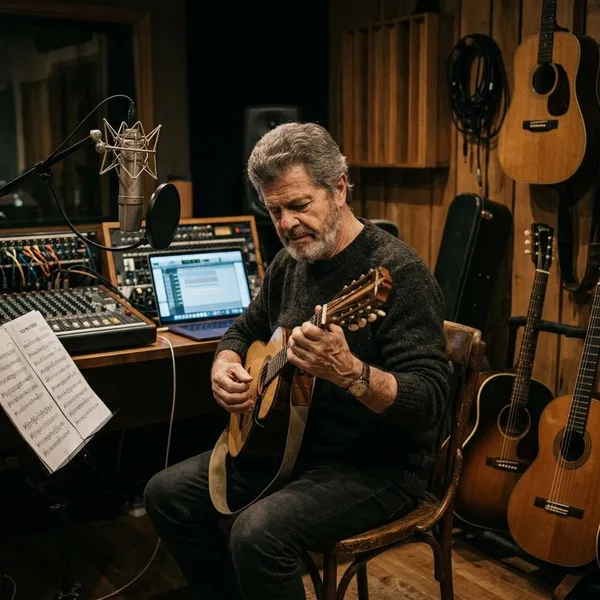
Gustavo Santaolalla's Signature Sound
Santaolalla gave the game a sound that feels worn down but still alive. Instead of filling every emotional scene with strings or percussion, he uses small acoustic gestures, dry textures, and long pauses. That restraint is the first thing to notice if you are listening to the album outside the game.
Minimalist melodies
The melodies are short, plain, and easy to recognize without feeling polished. A few notes can carry more weight here than a full orchestral swell because the music leaves space for the player's own unease.
This matters most in quieter story moments. The score rarely tells you what to feel in a direct way; it gives the scene a fragile shape and lets the emotion settle naturally.
Ronroco and acoustic strings
The ronroco is the instrument most closely linked with the soundtrack's identity. Its dry, resonant tone sits somewhere between warmth and damage, which makes it perfect for a world that is human but broken.
- New listener: start by listening for the plucked string tone rather than the melody alone.
- Returning fan: compare how the same acoustic color feels different in tense, sad, and reflective cues.
- Soundtrack collector: the ronroco is the detail that separates this score from more standard post-apocalyptic music.
Dark ambient textures
The soundtrack is not only built from melody. Drones, low rumbles, and uneasy textures make empty spaces feel unsafe before anything obvious happens.
That is useful both in the game and as a standalone listen. During gameplay, these sounds keep you alert; on the album, they stop the score from becoming simply sad or pretty.
Silence and restrained scoring
One of the smartest choices is how often the music steps away. Silence lets footsteps, breathing, distant movement, and dialogue carry pressure, so the music has more impact when it returns.
Best-Known Tracks from the 2013 OST
The 2013 album includes many short cues, but a few tracks make the strongest entry points. If you only want a quick sense of why the score became so respected, start with the main theme, one of the "All Gone" pieces, and "The Path." That gives you melody, grief, and movement without needing the full album immediately.
The Last of Us
"The Last of Us" is the clearest starting point because it carries the score's whole identity in miniature. The melody feels lonely and exposed, but not defeated.
What makes it memorable is not complexity. It is the combination of a simple line, a rough acoustic tone, and the feeling that the music is moving forward because it has to, not because it expects a clean victory.
The Quarantine Zone (20 Years Later)
"The Quarantine Zone (20 Years Later)" works as an early mood-setter. It does not sound like the immediate aftermath of disaster; it sounds like people have learned to survive inside the damage.
That distinction is important. The track is tense, but also routine and drained, which makes the game's opening world feel lived in rather than freshly ruined.
All Gone
"All Gone" is the grief track most listeners remember. It is slight in shape but heavy in feeling, and its variations across the soundtrack make loss feel persistent rather than limited to one scene.
The Path
"The Path" is short, but it gives the album a sense of motion. It is not adventure music. It sounds like travel through danger, where the only real choice is to keep going.
This is a good track for listeners who want to understand how the score creates momentum without becoming heroic. It moves, but it never relaxes.
Returning
"Returning" leaves the album in an unsettled place. It feels reflective rather than resolved, which suits a story where the ending is emotionally powerful but not morally simple.
If you listen to the soundtrack in order, this track works best as a final landing point. Played alone, it is beautiful; after the earlier cues, it carries more weight.
Why the Soundtrack Works So Well
The soundtrack works because it knows its job. It does not try to make the game feel larger than life; it makes the world feel emptier, more dangerous, and more emotionally specific. The music supports the story without smoothing out its discomfort.
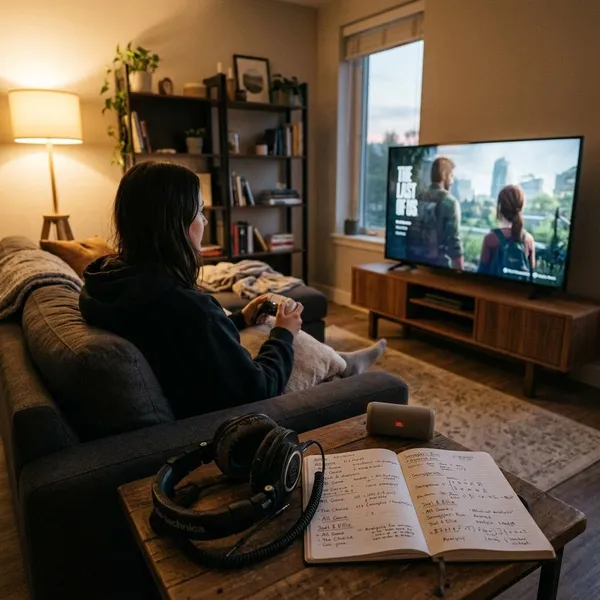
Music reinforces isolation
The exposed strings and thin textures make the world feel lonely even before a scene says anything directly. There is rarely a comfortable musical cushion around the characters.
For players, that changes how spaces feel. A ruined street or abandoned room seems bigger when the score refuses to fill the emptiness. For album listeners, the same sparseness gives the music a strong sense of distance.
Sparse themes build tension
Tension often comes from what the music withholds. Instead of warning you with obvious danger cues, the score uses brief phrases and unstable textures that make you listen harder.
That approach is especially effective in stealth and exploration. Constant dramatic music would make the danger feel predictable; sparse scoring keeps the player uncertain.
Repeated motifs deepen emotion
Repeated motifs give the soundtrack memory. When a theme returns in a new form, the listener brings earlier scenes and feelings into the moment.
The "All Gone" variations are the clearest example, but the same idea runs through the score more broadly. Small returns matter because the album is not trying to impress you with constant new material; it is letting familiar wounds reappear.
Quiet moments make key scenes stronger
Quiet scenes make the major cues hit harder. If every emotional beat had heavy music, the score would lose contrast and the story would feel pushed.
This is one reason the soundtrack still feels mature years later. It trusts silence, dialogue, and environmental sound to do part of the work, so the music arrives with purpose instead of habit.
Where to Listen to The Last of Us OST
If you want the original game score, look for The Last of Us (Video Game Soundtrack) by Gustavo Santaolalla, released for the 2013 game. This matters because search results can mix the game album with the HBO series soundtrack, Part II, playlists, covers, and licensed songs.
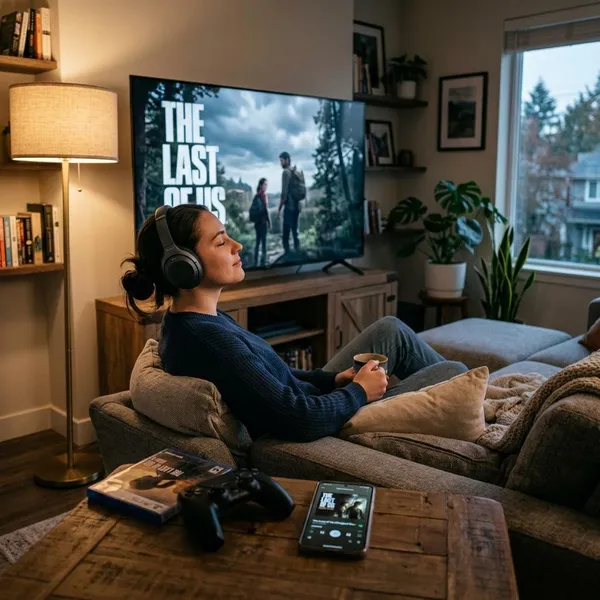
Music streaming services
Streaming is the easiest choice if you want quick access or you are still deciding how much of the soundtrack you care about. Search by the exact album title and composer name, then check that you are choosing the 2013 game soundtrack rather than a series-related release.
- Best for casual listening: start with "The Last of Us," "All Gone," and "The Path."
- Best for full context: play the album in order so the short cues connect properly.
- Best for comparison: switch between the 2013 album, Part II, and the HBO soundtrack to hear how the sound changed.
Digital soundtrack stores
Buying the digital album makes sense if you revisit game scores often or want dependable offline access. It is also the safer option if you dislike losing albums when streaming catalogues change.
Before buying, check the track count, composer credit, and release title. The most common mistake is purchasing a related soundtrack or playlist when the goal is the original 2013 OST.
Vinyl editions
Vinyl is more of a fan or collector choice than the most practical way to hear the soundtrack. It suits listeners who enjoy sitting with an album, noticing quiet textures, and owning the artwork as part of the experience.
If you mainly want convenience, streaming or digital purchase is better. If you already collect game soundtracks or want a physical edition of a score you know you love, vinyl is the version worth comparing by pressing, condition, and availability.
Conclusion
The strongest way to approach the soundtrack is to treat it as a quiet emotional score, not a playlist of big themes. Start with the main theme, "All Gone," and "The Path," then move through the full 2013 album if the mood connects. Its power is in restraint: the ronroco, the empty space, and the repeated fragments that make the game's world feel painfully human.
FAQ
What song plays at the end of The Last of Us game?
The ending is most closely associated with "Returning" on the original soundtrack. Depending on the exact scene you mean, the cue may vary, but "Returning" captures the final mood most clearly.
What instrument is used in The Last of Us soundtrack?
The ronroco is the signature instrument people usually notice first. Its dry, intimate string sound gives the score much of its weathered character.
Does The Last of Us Part II have a separate soundtrack?
Yes. The Last of Us Part II has its own soundtrack, with Gustavo Santaolalla returning and Mac Quayle also contributing to the sequel's darker, harsher sound.