Understanding Cast Album vs Soundtrack and the Key Differences
If you are choosing between a cast album vs soundtrack, start with the source: a cast album comes from a stage production, while a soundtrack comes from a film, TV show, game, or other screen project. Pick the cast album when you want the stage musical's songs as performed by the theater cast; pick the soundtrack when you want the music connected to the screen version.
What Is a Cast Album?
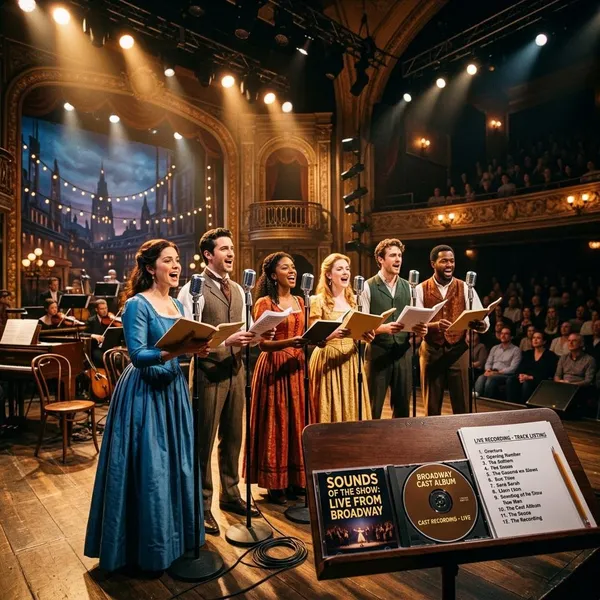
A cast album is a recording of songs from a stage musical, usually performed by the cast of a specific production. It is made for listening outside the theater, but its identity still comes from the live show.
The useful clue is the label. Phrases such as Original Broadway Cast Recording, Original London Cast Recording, and Revival Cast Recording tell you which production and cast you are hearing.
Recorded for a stage production
A cast album starts with a stage production: Broadway, West End, Off-Broadway, a touring production, or a revival. Even if the album is recorded in a studio, it is still documenting the songs as they belong to that theatrical version.
This matters if you are trying to understand the musical itself. A cast album usually keeps the story songs, reprises, ensemble numbers, and major vocal moments in a clearer order than a film soundtrack might.
Performed by the theater cast
The performers are the actors from that stage production, not just any singers covering the songs. That is why theater fans often care about a specific cast recording: the acting choices, vocal tone, and chemistry can define how the roles feel.
- Learning a song for an audition? A cast album is usually the better reference.
- Remembering a stage production you saw? The cast recording is more likely to match that theater experience.
- Comparing performers? Different cast albums of the same show can sound surprisingly different.
Released as an original or revival cast recording
A cast album may be tied to the first major production or to a later revival. A revival recording is not automatically a copy of the original; it may have different orchestrations, keys, pacing, or performance style.
If you want the version that first shaped the show's reputation, look for "Original Broadway Cast Recording" or a similar original-production label. If you want a later interpretation, a revival cast recording may be the better choice.
What Is a Soundtrack?
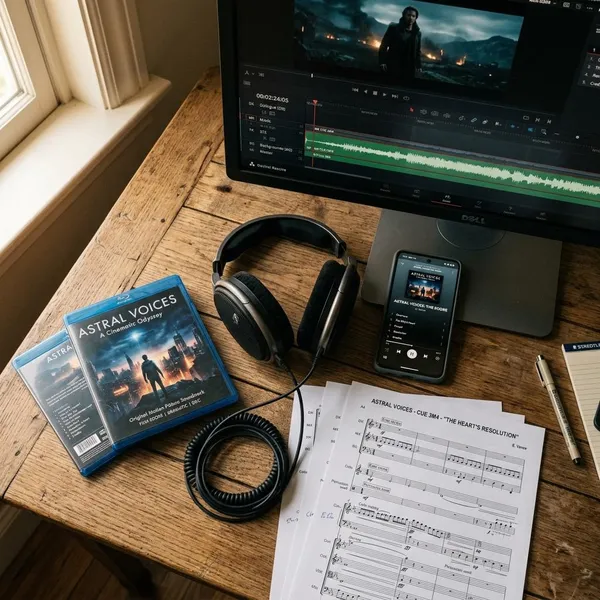
A soundtrack is an album connected to a screen production, such as a movie, TV series, streaming show, anime, documentary, or video game. It can include songs, instrumental score, licensed tracks, or a mix of all three.
That is why soundtrack albums can feel so different from one another. One may play like a pop compilation, another like a film composer's instrumental album, and another like a mixture of cast performances and background cues.
Tied to a film, TV show, or game
The screen source is the main clue. If the album belongs to a movie, series, or game, it is usually a soundtrack or score rather than a cast album, even when actors sing on some tracks.
For example, a movie musical soundtrack may include songs performed by the film cast, but it is still tied to the film version, not the original stage production.
Includes songs, score, or both
A soundtrack can include featured songs, background score, or both. Do not assume "Original Motion Picture Soundtrack" means every track is a song with vocals; the track list may include short instrumental cues too.
| What you want to hear | Album type to check first |
|---|---|
| Stage musical songs in story order | Cast album |
| Music used in a movie or show | Soundtrack |
| Instrumental background themes | Score |
May use original or licensed music
Soundtracks often include music written for the production, but they can also use existing songs licensed for certain scenes. A film set in a specific decade, for instance, may use older pop tracks to create the right mood.
That makes soundtracks useful in a different way from cast albums. If you want a playlist that brings back the feeling of a film, a song-heavy soundtrack may be exactly what you want. If you want the full stage score, it probably will not be enough.
Main Differences Between a Cast Album and Soundtrack
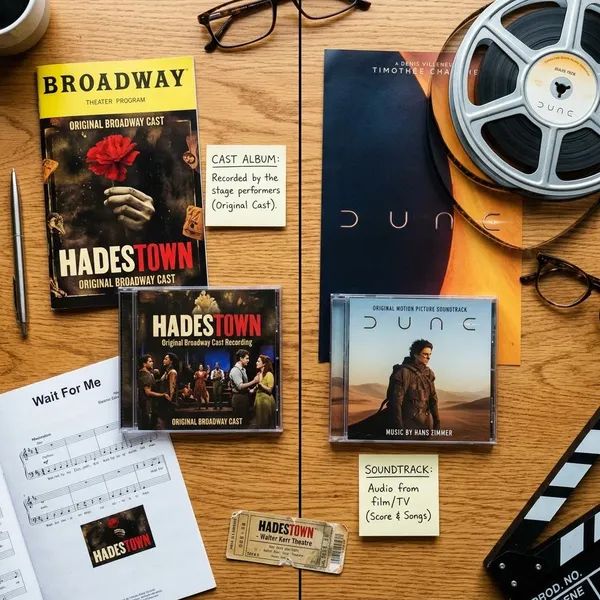
The quickest way to separate them is to check four things: where the music comes from, who performs it, what kind of tracks are included, and what listening experience the album is trying to capture.
Stage source vs screen source
A cast album comes from a stage production. A soundtrack comes from a screen production. This single check solves most confusion, especially when the same title exists as both a musical and a film.
If you are looking at two albums with nearly the same name, ask: "Was this made for the theater version or the screen version?" The answer usually tells you which one you have.
Theater cast vs screen or recording artists
Cast albums feature the theater cast. Soundtracks may feature screen actors, recording artists, orchestras, composers, or various licensed performers.
This matters most with adaptations. A stage musical's cast album may have bigger theatrical vocals and fuller song continuity, while the film soundtrack may use more intimate performances, edited songs, or cinematic arrangements.
Show songs vs mixed soundtrack music
A cast album usually focuses on the musical's show songs. A soundtrack may mix character songs, pop tracks, score cues, end-credit songs, and licensed music.
- Choose the cast album if you want to follow the musical's story through its songs.
- Choose the soundtrack if you want the music as it appears around the screen experience.
- Check the track list if the album title is vague or shortened on a streaming platform.
Stage performance vs screen experience
A cast album is closer to an audio version of the stage show. A soundtrack is closer to a musical companion to the screen project.
Cast Album vs Soundtrack vs Score
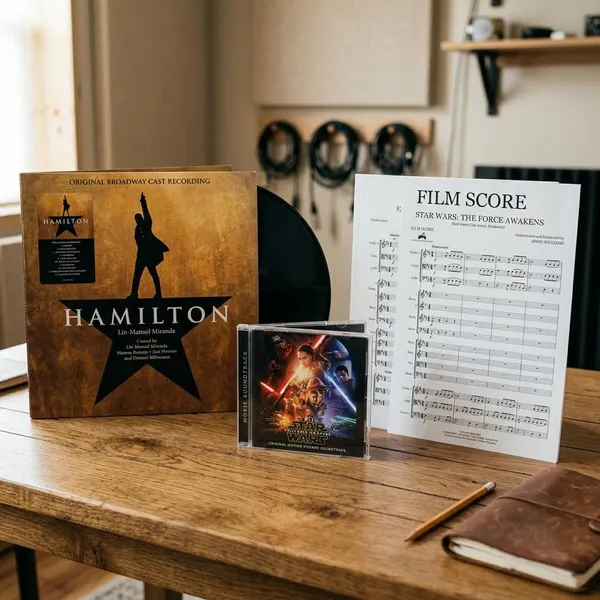
Cast album, soundtrack, and score are related terms, but they do not mean the same thing. The cleanest distinction is: stage songs, screen music, and instrumental background music.
Cast album for stage songs
A cast album is for songs from a stage musical, performed by the cast of that production. It is the best place to start when you want the theatrical version of the material rather than a film adaptation or playlist-style release.
Soundtrack for screen music
A soundtrack belongs to a film, TV show, game, or similar screen project. It may be song-based, score-heavy, or mixed, so the track list matters more than the word "soundtrack" alone.
For casual listening, a soundtrack can be more varied and playlist-friendly. For understanding a musical's stage structure, it may feel incomplete.
Score for background music
A score is the instrumental music composed to support scenes, emotion, pacing, and atmosphere. Albums labeled Original Motion Picture Score or Original Series Score usually focus on these background cues rather than featured songs.
Scores are worth choosing when you want cinematic mood, recurring themes, or instrumental writing. They are not the same as cast albums, and they are usually narrower than mixed soundtracks.
How to Tell Which Type of Album You Have
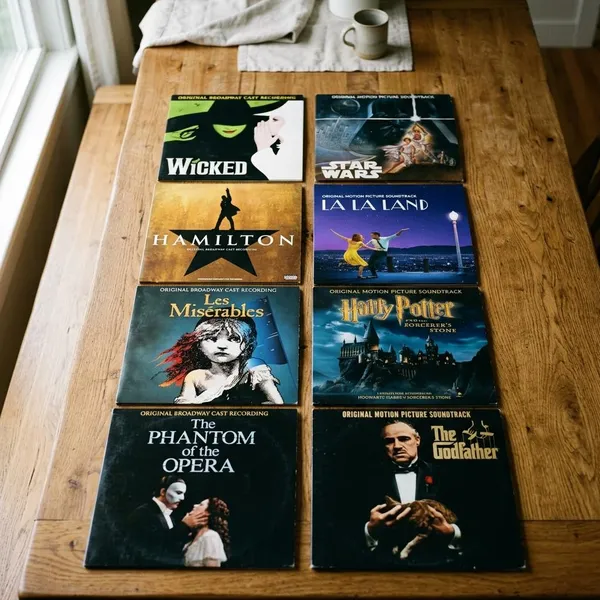
If the label is unclear, use a simple order of checks: title first, source second, performer credits third, track list last. That keeps you from guessing based only on cover art or a shortened streaming title.
Check the album title
Look for wording such as Original Broadway Cast Recording, Original London Cast Recording, or Revival Cast Recording for cast albums. Wording such as Original Motion Picture Soundtrack, Music from the Film, or Original Series Soundtrack points to screen music.
If the title says Score, expect mostly instrumental background music rather than a full song collection.
Check the source production
Find out whether the album belongs to a stage production or a screen production. This is especially useful for titles that have both a Broadway version and a film version.
For a listener choosing what to stream on a commute, this is the practical split: stage source if you want the musical's theatrical songs, screen source if you want the movie or series atmosphere.
Check the performer credits
The credits often give the answer quickly. A named theater cast or role-based credits suggest a cast recording. A film composer, orchestra, "various artists," or pop performers suggest a soundtrack or score.
- Theater cast names: likely a cast album.
- Various commercial artists: likely a song-based soundtrack.
- Composer and orchestra: likely a score or score-heavy soundtrack.
Check the track list
Cast albums often have musical numbers, reprises, overtures, and ensemble songs in a story-like order. Soundtracks may jump between artists or include tracks named after scenes. Scores often have shorter cue titles linked to places, characters, or dramatic moments.
Examples of Cast Albums and Soundtracks
Well-known examples make the difference easier to spot. The album title, source, and performer credits usually reveal the category before you even press play.
Hamilton as a Broadway cast album
Hamilton (Original Broadway Cast Recording) is a cast album because it documents the Broadway stage production and features the theater cast. Since much of the story is sung or rapped, the album works especially well as a way to follow the show in audio form.
The filmed stage version does not change what the cast album is. The recording remains tied to the Broadway production, not to a separate movie soundtrack.
Wicked as a Broadway cast album
Wicked (Original Broadway Cast Recording) is also a cast album. It preserves the songs, vocal interpretations, and theatrical arrangements from the original Broadway production.
If someone wants the stage version that shaped how many fans first heard the show, this is the album to check before looking for later adaptations or other recordings.
Guardians of the Galaxy as a film soundtrack
Guardians of the Galaxy: Awesome Mix Vol. 1 is a soundtrack because it is tied to a film and built around songs used to shape that movie's personality. It is not a cast recording, and it is not trying to preserve a stage score.
It is also a good reminder that soundtracks do not have to contain newly written music. Licensed songs can still become central to a film's musical identity.
Conclusion
The most reliable choice is simple: use the cast album when you want the stage production's songs and performers, and use the soundtrack when you want the music connected to a screen version. If the label is unclear, check the title, source, credits, and track list in that order; those clues usually tell you whether you are getting theater songs, screen music, or a score.
FAQ
Can a movie musical have both a soundtrack and a score?
Yes. The soundtrack usually focuses on songs heard in the film, while the score focuses on instrumental background music; some releases keep them separate, and some combine them.
Does a soundtrack count as an album?
Yes. A soundtrack is an album tied to a screen production, whether it is released on vinyl, CD, download, or streaming.
What does original Broadway cast recording mean?
It means the album features the cast from the original Broadway production of a stage musical. Later productions may have different performers, arrangements, or revised material.
Why do some soundtracks include both songs and score?
Because screen productions often use both featured songs and background music. Combining them can give listeners a fuller sense of the film, show, or game, though it may also make the album less consistent as a casual playlist.