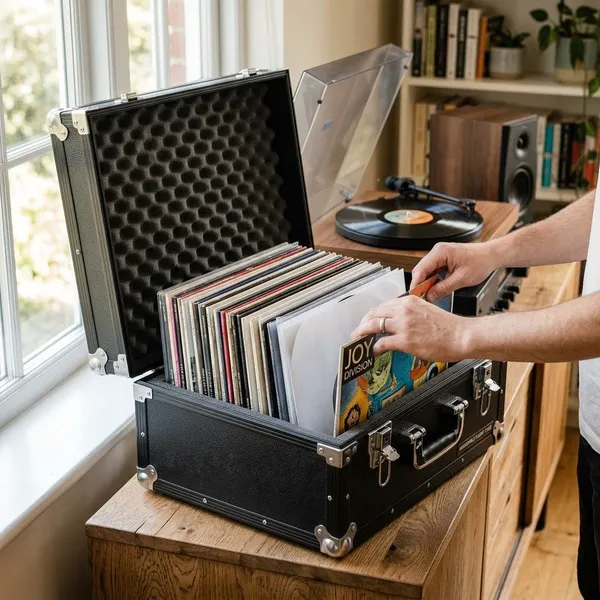
How Can You Keep Vinyl Records in Pristine Condition?
If you want to know how to store vinyl records without damaging them, start with the big three: keep them upright, keep them away from heat and moisture, and avoid packing them so tightly that you have to fight the shelf. Most record damage from storage is slow, so a setup that looks "fine for now" can still cause warping, dusty sleeves, split jackets, or ring wear over time.
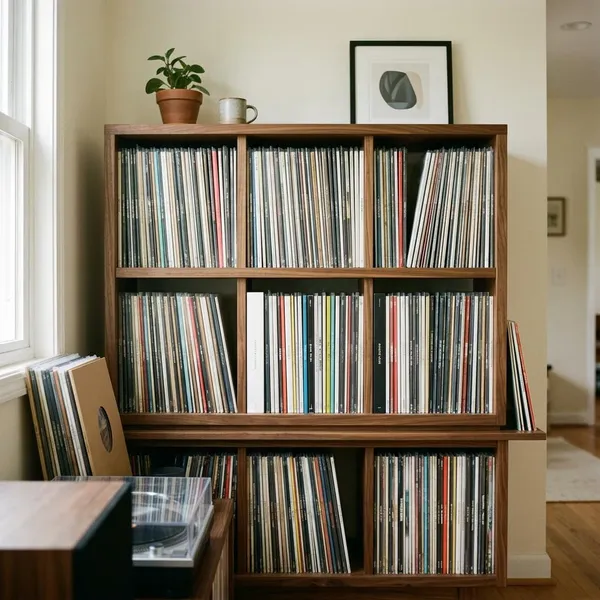
Best way to store vinyl records
The safest setup is simple: vertical storage, a stable indoor room, sturdy shelving, clean sleeves, and enough space to browse without forcing records in or out. If you only fix one thing today, fix the position first. Records left flat or leaning hard are more likely to develop shape problems than records standing straight with light support.
Keep records upright and supported
Store records vertically, like books, with the jackets standing straight rather than tilted across a wide gap. Upright storage keeps pressure off the playing surface and stops the lower records in a stack from carrying unnecessary weight.
A half-empty shelf is where many people go wrong. If the row leans sharply, add a divider, bookend, or smaller storage cube. The goal is not to clamp the records tightly; it is to keep them standing naturally without sliding, fanning out, or pressing hard against one side.
Store them in a cool, dry room
A normal living room, bedroom, office, or listening area is usually safer than a garage, attic, shed, or damp basement. Vinyl and cardboard both dislike unstable conditions: heat can encourage warping, while damp air can make jackets musty or mold-prone.
Use sturdy shelves and protective sleeves
Records get heavy quickly, so weak shelves are not just inconvenient; they can sag and make the whole row lean. Pair a solid shelf with clean inner sleeves and outer jacket sleeves if you want to protect both sound and artwork.
- For casual listeners: upgrade rough paper inners on records you play often.
- For collectors: keep original printed inners, but store the disc in a separate clean sleeve.
- For used records: replace dirty or torn sleeves before putting them into long-term storage.
Leave enough room for easy removal
Records should slide out without force. If you have to pinch the top edge, bend the jacket, or pull hard from one corner, the shelf is too full. Leave enough space to flip through albums with your fingers, but not so much empty space that the row collapses into a lean.
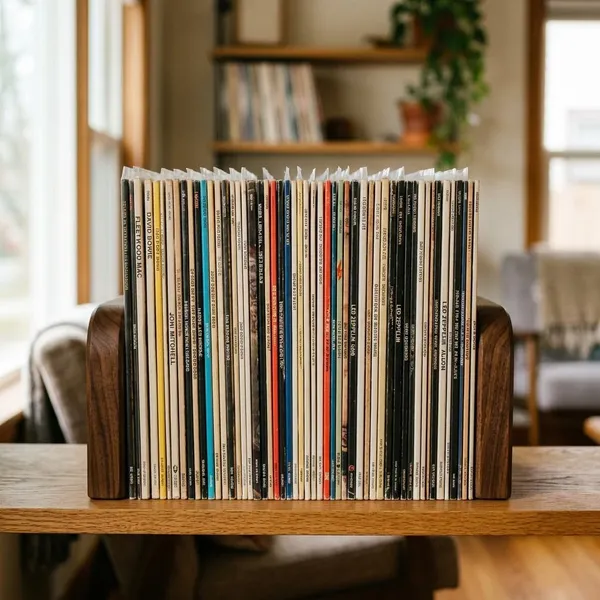
Why vinyl records should be stored upright
Upright storage is not just a collector habit. It solves three practical problems at once: it removes heavy pressure from the records underneath, helps the discs keep their shape, and reduces rubbing on the jackets. Flat stacks may look neat for a day or two, but they are a poor default for anything beyond temporary handling.
Keeps weight off the records below
Every record in a flat pile adds weight to the albums beneath it. A few records on a table while you are sorting them is not usually a disaster, but a stack that sits for weeks or months can press jackets, stress seams, and leave the bottom records carrying the load.
Reduces the risk of warping
Warping is more likely when pressure and heat work together. A record left flat near a sunny window, in a warm room, or under a pile of other albums is taking on avoidable risk. Once a record is badly warped, fixing it is uncertain and often not worth the gamble.
Standing records upright in a cool room gives them a more neutral resting position. The key detail is support: vertical is good, but vertical and badly leaning is still not ideal.
Helps prevent jacket and ring wear
Ring wear usually comes from pressure and friction, where the outline of the disc starts showing through the cover. Upright storage helps, but spacing and sleeves matter too. If jackets are packed so tightly that they scrape every time you browse, you can still wear down covers even when the records are standing correctly.

Best place to store vinyl records
The best place for vinyl records is inside your main living space, away from direct sun, damp corners, and heat sources. A climate-controlled room you use regularly is usually a better choice than a space that gets ignored until something smells musty or feels too hot.
If you are choosing between two imperfect spots, pick the one with the least temperature swing and the least moisture risk. A shaded office wall is usually better than a bright living-room window. A raised shelf in a bedroom is usually better than a crate on a basement floor.
A cool, dry room
A cool, dry room protects both parts of the album: the vinyl disc and the cardboard jacket. Look for a space that feels stable through the day, not one that bakes in the afternoon or feels damp after rain.
- Good signs: no musty smell, no condensation, no obvious heat buildup.
- Warning signs: damp walls, mildew odors, foggy windows, or big seasonal swings.
- Better household choices: bedroom, office, media room, or shaded living area.
Away from direct sunlight and heat
Keep records away from windows with strong sun, radiators, heaters, fireplaces, and hot air vents. Sunlight can heat the records and fade the spines, so even a shelf that looks stylish beside a window may be a poor long-term choice.
Check the room at the hottest part of the day, not only when you first set up the shelf. Afternoon sun can hit a wall or cabinet that seemed safe in the morning. If the shelf feels warm to the touch, move the records or block the light.
Away from damp areas and floor moisture
Basements, laundry rooms, garages, and floor-level corners create extra risk because moisture often starts low and spreads quietly. Store records on a raised shelf instead of directly on the floor, especially in homes with pets, children, old plumbing, or occasional spills.
For short-term moving or renovation storage, plastic bins can help with transport, but they should not sit sealed in a damp area for months. Moisture trapped inside a bin can be worse than open shelving in a dry room.

Best shelves for vinyl record storage
Good record shelves need to do more than look nice. They should hold the weight, support the full jacket depth, divide the row so records stay upright, and leave enough space for comfortable browsing. A shallow bookcase or weak display shelf can create damage even when the records are stored in the right room.
Strong enough for the weight
Vinyl is heavier than it looks, especially once you have more than a small row. A shelf that works for decorations may sag under a full run of LPs. Before loading it completely, check the shelf rating if available, look at the span between supports, and watch for bowing after weight is added.
Deep enough to support the jackets
LP jackets need full support. If records stick out from the shelf, the front corners are more likely to get bumped, bent, or dusty. As a practical check, the entire jacket should sit on the shelf without hanging over the edge.
Outer sleeves add a little bulk, so test shelf depth with a sleeved record if you use them. A shelf that barely fits bare jackets can become annoying once the collection is protected properly.
Divided to keep records upright
Smaller sections are easier to manage than one long open span. Cube shelves are popular because each cube naturally supports a shorter row, but you can also use dividers or sturdy bookends in wider furniture.
- Partly full section: add a divider so the row does not lean.
- Frequently played records: keep them in a smaller, easy-reach section.
- Larger collection: divide by genre, artist, or listening frequency to reduce shuffling.
Spacious enough for easy browsing
The shelf should let you flip through records without scraping covers or forcing your hand between tight jackets. Crowded storage leads to rough handling, and rough handling is what causes many bent corners, split seams, and fingerprints.
How to protect vinyl records with sleeves
Sleeves are the easiest upgrade after fixing the shelf and room. Inner sleeves protect the disc from dust and scuffs, while outer sleeves protect the jacket from shelf wear, fingerprints, and rubbing. You do not need to sleeve everything at once if the collection is large; start with valuable records, used records, and albums you play often.
Use clean inner sleeves
Use smooth, clean inner sleeves for the record itself. Old paper sleeves can shed dust, hold grit, or scratch lightly when the disc slides in and out. Poly-lined or anti-static-style sleeves are usually a safer everyday choice.
With secondhand records, replace dirty inner sleeves before storing the album with the rest of your collection. Keeping the old sleeve for artwork or originality is fine, but the disc does not have to live inside a rough, dusty paper sleeve.
Add outer sleeves for jacket protection
Outer sleeves are most useful for records that get handled often or jackets you want to keep clean. They reduce rubbing between covers and make shelf wear show up on the plastic sleeve instead of the printed artwork.
For a budget-friendly approach, sleeve the albums at highest risk first: glossy covers, older jackets with weak seams, favorite records you pull often, and anything stored in a busy room where dust and handling are common.
Keep sleeve openings away from dust
Sleeve direction matters more than it seems. Avoid lining up every opening so dust can fall straight toward the record. Many people place the disc in its inner sleeve, then turn the opening toward the jacket spine or upward before sliding it into the cover.
Also make sure the record cannot slip out when you pull the album from the shelf. The best sleeve orientation is the one that blocks dust and still feels safe during normal handling.
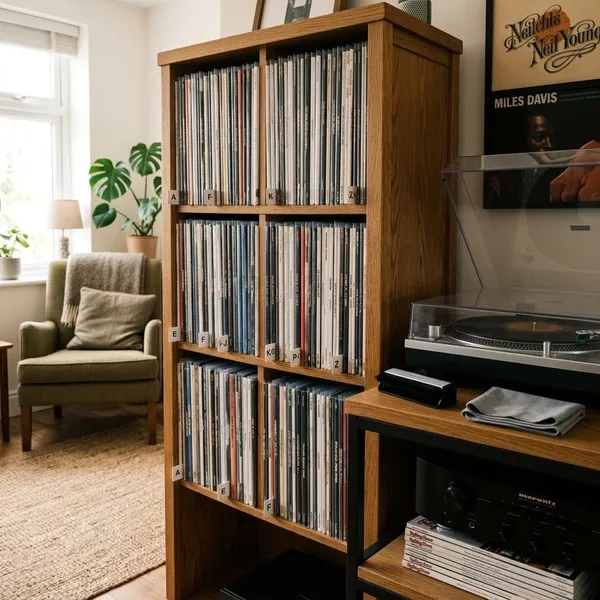
Conclusion
Good vinyl storage is mostly about preventing slow, avoidable damage: stand records upright, choose a stable indoor spot, use shelves that actually support the weight, and sleeve the albums that need protection. If your current setup makes records lean, bake in sunlight, sit near moisture, or feel hard to remove, fix that part first; the best storage system is the one that keeps records safe while still making them easy to play.
FAQ
Can vinyl records be stored flat for a short time?
Yes, for a very short time while sorting or moving them, but do not make it a storage habit. Keep the stack small, avoid heat, and put the records upright as soon as you can.
Can you store vinyl records in plastic bins?
Yes, if the bin is clean, sturdy, dry, and large enough for records to stand upright without bending the jackets. Avoid sealing records in a bin that may trap moisture, especially in a basement, garage, or storage unit.
Should you clean vinyl records before storing them?
Yes, especially used records or albums with visible dust. Let any wet-cleaned record dry fully before sleeving it, because trapping moisture inside a jacket creates a new problem.