Which Vinyl Records Belong in Every Collection?
The best vinyl records are the albums you will actually pull off the shelf, not just the famous ones people say you should own. A useful collection starts with records that reward full-side listening, sound good on a normal home setup, and still feel worth playing after the first week of excitement has passed.
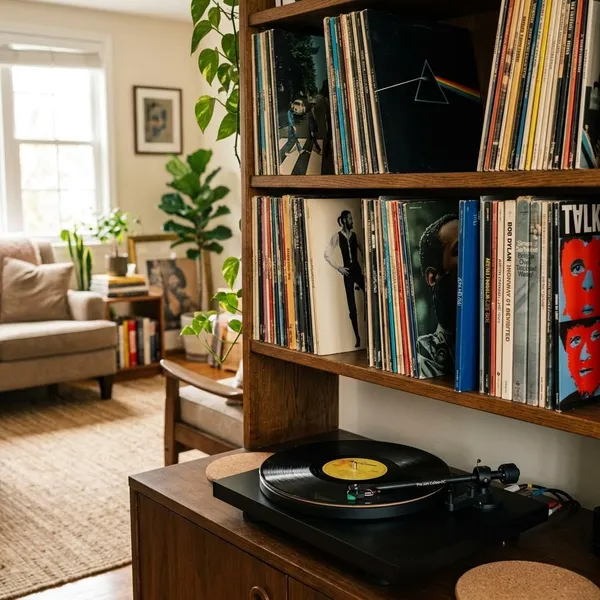
Best vinyl records to own
A strong starter shelf usually mixes personal favorites with a few classics that have proven replay value. The records here are not rare-for-the-sake-of-rare picks; they are albums that work because the songs, sequencing, and production make sense on vinyl.
Pink Floyd – The Dark Side of the Moon
The Dark Side of the Moon is a safe choice if you want vinyl to feel like more than a different way to play the same songs. The album moves as one piece, with transitions, quiet details, and a wide sense of space that make side-by-side listening feel intentional.
Fleetwood Mac – Rumours
Rumours belongs in many collections because it is easy to play in real life. It works while cooking, with friends over, or during a quiet evening when you want songs that feel familiar without becoming background noise.
The practical reason to buy it is replay value. Almost every track earns its place, and the warm harmonies suit vinyl without requiring an expensive setup to enjoy them.
The Beatles – Abbey Road
If you want one Beatles album on vinyl, Abbey Road is often the most satisfying first pick. The side-two medley is especially rewarding because vinyl encourages you to let the sequence run instead of skipping around.
Pressing debates can get intense with Beatles records, but beginners should focus on a clean, reputable copy first. Upgrade later only if the album becomes one of your regular plays.
Michael Jackson – Thriller
Thriller is the kind of record that proves popular does not mean disposable. The production is sharp, the grooves are tight, and the album has enough energy to work for both solo listening and a room full of people.
It is also a good shared-household record. If you are building a small collection that other people may actually enjoy too, this is a smarter buy than a niche title that only impresses collectors.
Miles Davis – Kind of Blue
Kind of Blue is the jazz record many non-jazz listeners can still live with. It is calm, spacious, and easy to return to, which makes it a useful contrast if your shelf is mostly rock and pop.
For a beginner, this is a low-risk way to add another genre. It changes the mood of your collection without asking you to become a jazz expert first.
Prince – Purple Rain
Purple Rain has drama, personality, and movement. It jumps between rock, pop, funk, and soul without feeling scattered, so it rarely becomes a one-mood record.
Choose it if you want a record that feels alive rather than merely respectable. Some albums are important but a little stiff on the shelf; this one usually earns its space by being fun to play.
Nirvana – Nevermind
Nevermind is not here because vinyl makes it polite. It still sounds direct, loud, and restless, and that physical punch is exactly why it can be satisfying to own.
Led Zeppelin – Led Zeppelin IV
Led Zeppelin IV is a classic rock staple because it gives you more than big riffs. It moves between heavy tracks, acoustic moments, and large-scale drama in a way that makes the whole album feel sturdy on vinyl.
- Best if you want one hard-rock anchor: it covers enough ground to avoid feeling one-note.
- Check condition carefully if buying used: popular copies were often played heavily.
- Do not overpay just for age: a clean reissue can be the better everyday copy.
What makes a vinyl record worth owning
A record is worth owning when it passes four checks: you want to hear it again, the sound suits the format, the album still has lasting appeal, and the pressing is fair for the price. Reputation helps, but it should not be the only reason a record lands on your shelf.
Music you want to hear again
Replay value should come before collectability. If you only like one song, streaming may be enough; vinyl makes more sense when you enjoy a full side or the full album experience.
Strong sound and production
Good vinyl does not have to sound perfectly clean or expensive. It should sound engaging enough that you notice the room, the vocals, the bass, or the space between instruments in a way that makes listening feel more deliberate.
- Spacious albums suit focused listening, such as jazz or progressive rock.
- Punchy albums work well when you want energy, rhythm, and volume.
- Warm vocal records are often satisfying even on modest speakers.
Lasting influence and appeal
Influence matters because some records keep giving you context. Abbey Road, Kind of Blue, and Nevermind are not just famous names; they help explain why later music sounds the way it does.
Still, do not buy a record only because it is historically important. If it feels like homework, it will probably sit untouched. The best choice is where cultural weight and your own taste overlap.
A pressing worth the price
The album and the pressing are two different decisions. A great album can be disappointing if the copy is noisy, warped, badly mastered, or priced mainly for hype.
Before paying more, check the exact edition rather than only the album title. Look for comments on surface noise, mastering, and pressing consistency. If you simply want a clean play copy, a respected reissue is often a better value than a worn original.
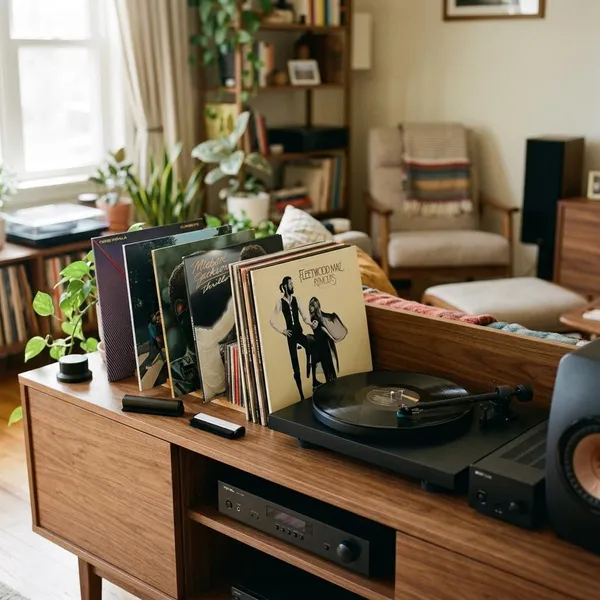
Best vinyl records for beginners
Beginners usually do best with records that feel familiar, easy to find, and low-risk. The first goal is not to impress another collector; it is to learn what you enjoy playing when the record is no longer new.
Familiar albums you already love
Your safest first purchases are albums you already know well. If you have streamed an album for years and still enjoy it, vinyl gives you a reason to sit with it more intentionally.
Classics with broad appeal
Broad-appeal classics are good beginner records because they are easy to share and hard to regret. Rumours, Thriller, and Led Zeppelin IV can work in a living room, at a small gathering, or during casual weekend listening.
That matters if your collection will not be used only by you. A shelf with a few records other people recognize often gets played more than a shelf built entirely around obscure choices.
Reissues that are easy to find
Easy-to-find reissues remove a lot of beginner stress. You can buy a clean copy, return or replace a bad one more easily, and avoid paying collector prices before you know what kind of listener you are.
Records you will actually replay
Replay is the best value test. A $35 record played twenty times is a better purchase than a $10 bargain-bin album that never leaves the sleeve.
- Start with three to five records: enough variety to enjoy the format without buying randomly.
- Add one stretch pick: try one genre outside your usual habits, such as jazz, soul, or electronic.
- Pause before buying more: notice which records you actually replay.
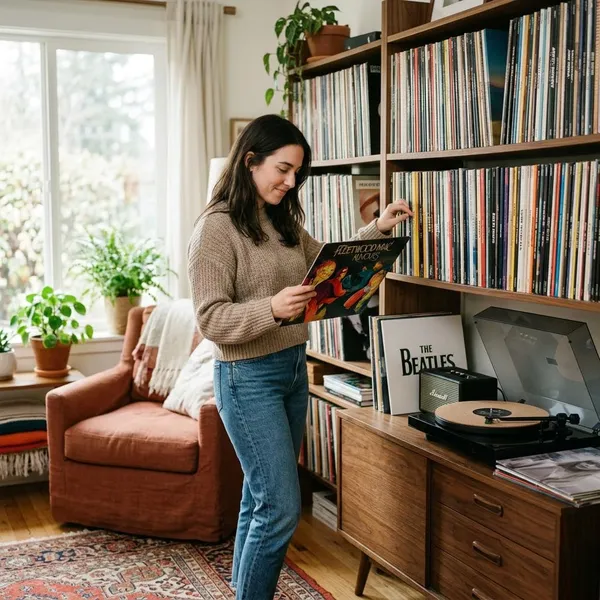
How to build a vinyl collection you will enjoy
A good vinyl collection grows from listening habits, not pressure. Start with albums that already matter to you, add variety carefully, and save upgrades for records that have proved they deserve the extra money.
Start with your favorite albums
Favorite albums give your collection an emotional center. They are the records most likely to survive changing trends, new recommendations, and the first rush of buying.
Add a few different genres
Genre variety keeps your turntable useful in different moods. A rock record may suit a louder evening, a jazz record may fit a quiet morning, and a pop album may be better when friends are over.
- For relaxed listening: try jazz, folk, soul, or softer singer-songwriter albums.
- For energy: add rock, funk, punk, pop, hip-hop, or electronic records you already like.
- For focused listening: choose albums with strong sequencing rather than single-track highlights.
Buy slowly and focus on replay value
Buying slowly gives your taste time to prove itself. Records take space, prices add up, and impulse purchases can turn a fun hobby into clutter surprisingly fast.
Upgrade pressings only when it matters
Not every album needs a premium pressing. Upgrade when the record is a true favorite, your current copy has a clear flaw, or there is strong evidence that another edition sounds meaningfully better.
For everyday listening, a clean standard copy often brings more joy than an expensive version you are afraid to handle. Put the bigger money into the albums you keep returning to, not every title that looks impressive in a collection photo.
Conclusion
The smartest vinyl collection is built around records you trust yourself to replay. Start with a few albums you already love, add classics that work as full albums, and be selective about expensive pressings; a smaller shelf that gets played will always feel better than a larger one built for show.
FAQ
How many vinyl records should a beginner start with?
Start with three to five records. That is enough to test your listening habits without overspending; add more only after you know which albums you keep replaying.
Is it better to buy new or used vinyl?
New vinyl is usually easier for beginners because condition is less uncertain. Used vinyl can be great value, but only if you can inspect the disc, trust the grading, or buy from a seller with fair returns.
Do expensive vinyl records always sound better?
No. Price can reflect rarity, demand, packaging, or hype rather than sound quality, so judge the exact pressing and condition instead of assuming the highest price is the best listen.