What Should New Players Know About The Last of Us?
If you are new to the last of us video game, start with The Last of Us Part I, play Left Behind after the main story, and then move on to The Last of Us Part II Remastered. The series is best for players who want a tense single-player story with stealth, scavenging, difficult combat, and characters who matter more than the apocalypse itself.
What is The Last of Us video game?
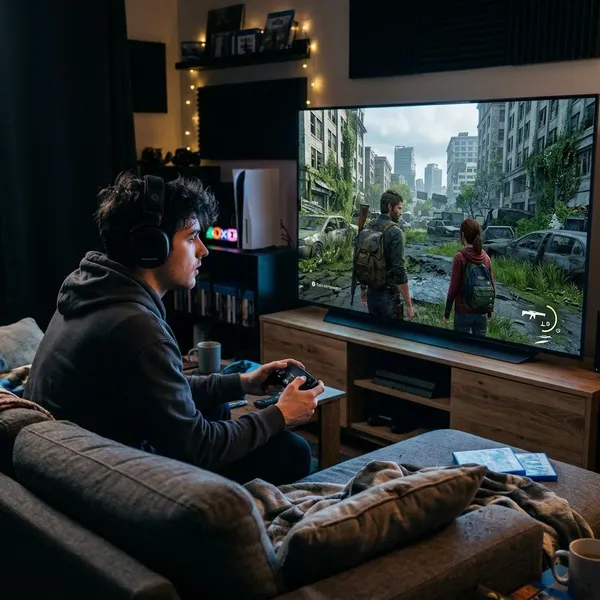
The Last of Us is a story-focused action-adventure series from Naughty Dog. You move through a ruined version of the United States, search for supplies, avoid or fight enemies, and follow a tightly written survival story centered on Joel and Ellie.
A story-driven action-adventure series
The series mixes exploration, stealth, third-person combat, and scripted story scenes, but the story is always the main pull. If you usually enjoy games because of characters, atmosphere, and emotional stakes, this is where The Last of Us is strongest.
A post-apocalyptic survival story
The setting follows a world broken by a Cordyceps infection, with infected creatures, military zones, isolated communities, and violent survivor groups. The ruined world feels grounded because danger usually comes from practical things: scarce supplies, blocked routes, desperate people, and limited trust.
- Good fit: you like tense survival stories with moral pressure.
- Less ideal: you want a power fantasy where enemies are easy to clear.
- Worth knowing: the infected are frightening, but the human conflicts are often just as important.
A single-player experience built around Joel and Ellie
The first game is built around Joel and Ellie's journey together. Joel is a hardened survivor, while Ellie brings curiosity, sharp humor, and emotional force to a world that has taught most people to shut down.
That relationship is the reason the play order matters. Jumping straight into the sequel gives away context without letting the bond develop naturally, so Part I should be your starting point unless you already know the story well and only care about gameplay.
Which games are in The Last of Us series?
The clean story order for new players is simple: The Last of Us Part I, then Left Behind, then The Last of Us Part II Remastered. That order gives you the emotional setup first, Ellie's background next, and the heavier sequel last.
If you are coming from the TV series, the games are still worth playing in this order. Knowing some plot points does not replace the pressure of making your way through encounters yourself.
The Last of Us Part I
The Last of Us Part I is the best entry point because it presents the original story in a modern form. It keeps the core journey intact while updating visuals, animation, performance, and accessibility features for newer platforms.
Choose this first if you want the most natural introduction. You learn how the world works, why Joel and Ellie matter, and how the game balances stealth, combat, and scavenging before the sequel expands those ideas.
Left Behind
Left Behind is shorter than the main game, but it is not filler. It gives Ellie more emotional background and adds context that makes parts of the first game land harder.
If you are only testing the series and unsure whether to continue, you could technically skip it and still understand the broad plot. If you care about Ellie as a character, play it before moving to Part II.
The Last of Us Part II Remastered
The Last of Us Part II Remastered continues the story years later and is darker, longer, and more demanding than the first game. It expects you to understand the emotional history behind Joel and Ellie, so it works poorly as a first stop.
Gameplay is more flexible, with larger combat spaces, smoother movement, stronger enemy pressure, and more room to improvise. The remastered version also includes No Return, a roguelike survival mode for players who want extra combat-focused replay value after the story.
How does The Last of Us gameplay work?
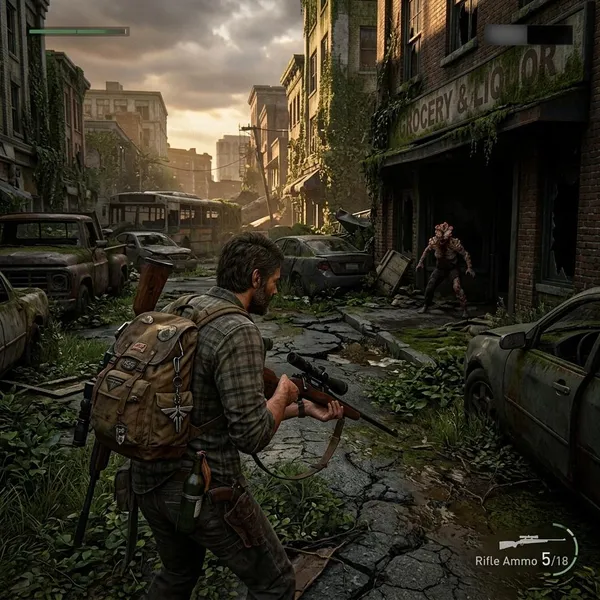
The gameplay is built around one main decision: avoid trouble when you can, fight carefully when you must, and never waste supplies without a reason. Ammo, healing items, and crafting materials are limited enough that even small choices can matter in the next encounter.
Explore and scavenge for supplies
Exploration is practical, not decorative. Bedrooms, offices, kitchens, abandoned shops, and locked rooms can hold ammo, crafting materials, weapon parts, supplements, notes, or small story details.
The best habit is to check side rooms before moving through an obvious exit. Do not rush every corridor just because the path is clear; the game often rewards the player who takes ten extra seconds to look behind a counter or open a drawer.
Sneak past human and infected enemies
Stealth is often the safest first plan. Watch patrol routes, stay low, use cover, and throw bottles or bricks when you need to move an enemy out of position.
- Against humans: expect searching, flanking, and reactions to noise.
- Against infected: movement and sound matter more, especially around Clickers.
- When low on supplies: sneaking past enemies can be smarter than clearing the room.
Fight with guns and improvised weapons
Combat is tense because the games do not make you feel unstoppable. Pistols, rifles, bows, shotguns, melee weapons, bricks, and bottles all have uses, but panic-firing usually leaves you worse off.
A good rule for beginners is to use stealth until the situation breaks, then create space before shooting. If an enemy is already close, a brick or melee weapon may save more ammo than trying to aim under pressure.
Craft useful items and upgrades
Crafting turns limited materials into immediate survival tools such as medkits, shivs, bombs, or fire-based weapons, depending on the game. The important part is the tradeoff: materials used for healing may not be available for offense.
Upgrades are worth treating as long-term planning rather than decoration. If you struggle with aiming, stability and reload improvements can help more than flashy damage upgrades; if you take damage often, survival-focused improvements may make the game less frustrating.
What makes The Last of Us story stand out?
The story stands out because it treats survival as an emotional problem, not just a monster problem. The infected create danger, but the bigger impact comes from trust, grief, loyalty, revenge, and the choices people make when there are no clean answers.
Joel and Ellie's evolving relationship
Joel and Ellie do not become close instantly, which is why their relationship feels believable. The first game lets their bond build through arguments, jokes, shared danger, quiet conversations, and moments where neither character says exactly what they feel.
That slow change matters more than any lore detail. By the time major decisions arrive, the player understands the relationship well enough for those choices to feel personal rather than abstract.
Difficult choices in a brutal world
The series often puts characters in situations where love, survival, revenge, and morality pull in different directions. It does not always ask you to approve of what a character does; it asks you to understand why someone might do it.
That is the main reason the story stays in people's heads. The most memorable moments are not simple hero scenes, but decisions that feel human, painful, and uncomfortable at the same time.
Character-driven emotional storytelling
The Last of Us keeps its focus on people rather than background lore. Personal history, trauma, guilt, attachment, and fear drive the drama, while the ruined world gives those emotions pressure and consequence.
The interactive format adds something the TV version cannot fully copy. Walking through a dangerous building with low ammo, hearing Ellie react beside you, and deciding whether to sneak or fight makes the emotional tension feel closer and more immediate.
Conclusion
The best way to approach the series is to treat it as a character-led survival journey, not just a famous PlayStation franchise to sample out of order. Start with Part I, add Left Behind if you want Ellie's story to feel complete, and save Part II Remastered for when you are ready for a heavier, more challenging continuation.
FAQ
Is The Last of Us a single-player game?
Yes. The main games are single-player story campaigns, so you do not need online teammates or multiplayer experience to enjoy them.
Do you need to play Left Behind?
You do not need it to follow the basic plot, but it is the better choice if you care about Ellie's background before starting Part II.
Can you play The Last of Us on Xbox?
No. The series is not available on Xbox; modern versions are associated with PlayStation, with some releases also available on PC.