Before You Watch the Kantai Collection Anime
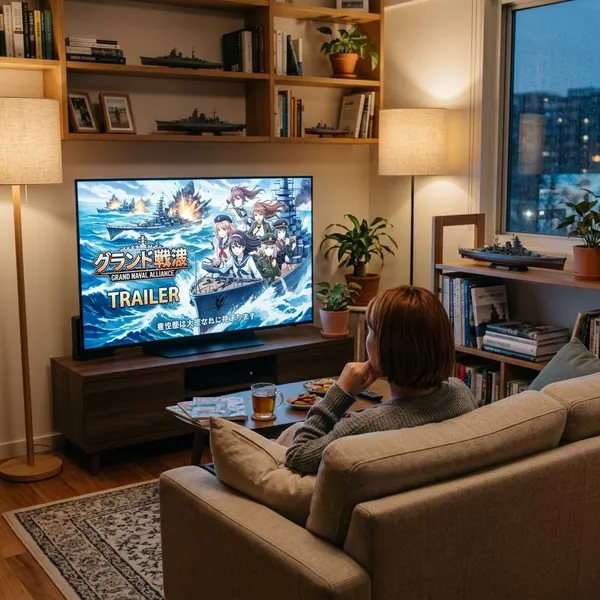
The kantai collection anime is easiest to approach as naval fantasy, not as a history lesson or a game tutorial. You can watch it without playing the game first, but it helps to know that the cast are "ship girls" based on real warships and that the story mixes fleet battles with quieter base-life scenes.
What Is the Kantai Collection Anime?
Kantai Collection is an anime adaptation of the Japanese franchise often shortened to KanColle. Its world is built around Kanmusu, girls who carry the names, roles, and equipment themes of historical warships.
The first thing to check as a new viewer is whether that mix sounds appealing: cute character interactions, military-flavored battles, and a setting that treats naval references as part of the cast's identity.
Based on the Kantai Collection game
The anime comes from the Kantai Collection browser game, which became known for collecting ship girls, managing fleets, and sending them into sorties. The anime does not expect you to understand those systems. It borrows the premise and characters, then turns them into a fixed story.
Built around ship girls inspired by warships
Each Kanmusu reflects a real warship name or class in a stylized way. Destroyers are usually lighter and more mobile, carriers fight through aircraft-themed attacks, and battleships carry more weight in both combat and presentation.
- Watch the gear: it usually tells you the character's battle role.
- Listen for ship names: famous names often come with extra status.
- Do not expect realism: the history is inspiration, not strict recreation.
Focused on battles against the Abyssal Fleet
The main enemy is the Abyssal Fleet, a mysterious sea-based force that gives the story its wartime pressure. Their presence is why training, repairs, formations, and sorties matter.
What Is Kantai Collection About?
The story follows Fubuki, a destroyer who arrives at a naval base and tries to become useful among stronger, more experienced Kanmusu. Her growth gives the first anime a simple path through a setting that would otherwise feel crowded.
Fubuki joins a naval base
Fubuki works well as a beginner's viewpoint because she is not introduced as the strongest or most famous ship girl. She has to learn the base, understand the expectations around her, and prove that she belongs in the fleet.
The naval base is not just a background location. It feels part military port, part dorm, and part recovery space, which makes the action easier to care about once the characters leave for battle.
She trains with other Kanmusu
Training scenes do two useful jobs at once: they show how fleet roles work, and they build Fubuki's relationships with the other girls. The important point is not that she suddenly becomes powerful, but that she learns how to operate as part of a group.
For a viewer coming from regular school or idol anime, these scenes may feel familiar because they use practice, teamwork, and admiration. For someone coming for the naval premise, they are also where the show quietly explains why a destroyer, carrier, and battleship do different things.
Fleet battles drive the main story
Fleet battles are the main source of tension. They test whether the characters' training holds up under pressure and whether the fleet can cover its weaknesses.
- Scouting matters because the enemy is not always approached head-on.
- Class roles matter because carriers, destroyers, and battleships contribute differently.
- Emotional stakes matter because sorties can change how characters see themselves and each other.
Daily life breaks up the action
The anime often slows down for meals, conversations, repairs, and small jokes around the base. These moments are not filler if you enjoy character-driven shows; they are the reason later missions feel less anonymous.
If you are deciding whether to start watching, use this as a quick test: the show is a better fit if you enjoy action with downtime. It is less ideal if you want every episode to push combat or plot with no slice-of-life breathing room.
Who Are the Main Kantai Collection Characters?
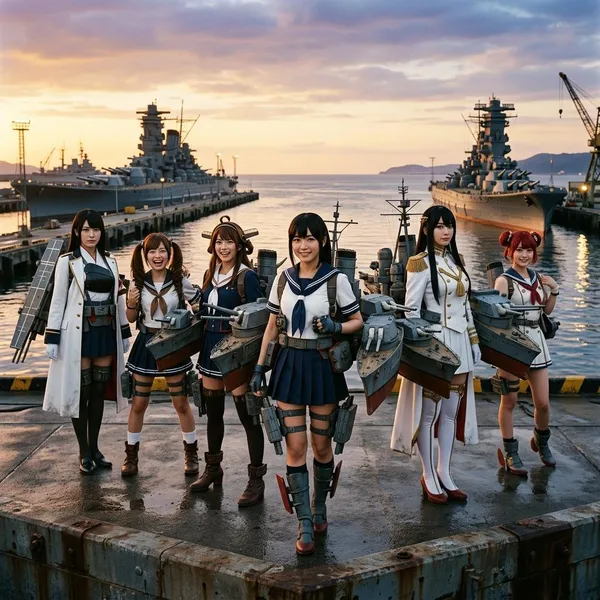
The franchise has a large roster, but the anime asks new viewers to focus on a smaller set first. Recognizing these names makes the early story much easier to follow.
Fubuki
Fubuki is the main lead of the first TV anime. She is a destroyer, and her role is less about overwhelming strength than persistence, insecurity, and learning how to support a fleet properly.
Her appeal depends on whether you like underdog leads. If you prefer a protagonist who arrives already confident and dominant, Fubuki may feel modest; if you like gradual growth, she gives the story its clearest emotional line.
Akagi and Kaga
Akagi and Kaga are aircraft carriers with a calm, senior presence. Akagi becomes especially important because Fubuki admires her, while Kaga often comes across as more reserved and precise.
Their attacks also make the naval fantasy idea easy to understand: instead of simply swinging weapons, they launch aircraft through stylized carrier-themed movements.
Kongou
Kongou brings a louder, more theatrical energy to the cast. She helps keep the anime from staying too serious for too long, but she still fits the fleet because her confidence carries into battle.
Yamato
Yamato is presented with a sense of scale and prestige. Even if you do not know much naval history, the anime makes it clear that her name carries special weight.
Her scenes are useful for understanding how Kantai Collection treats famous warships: not just as combat units, but as characters with reputation, expectation, and symbolic baggage.
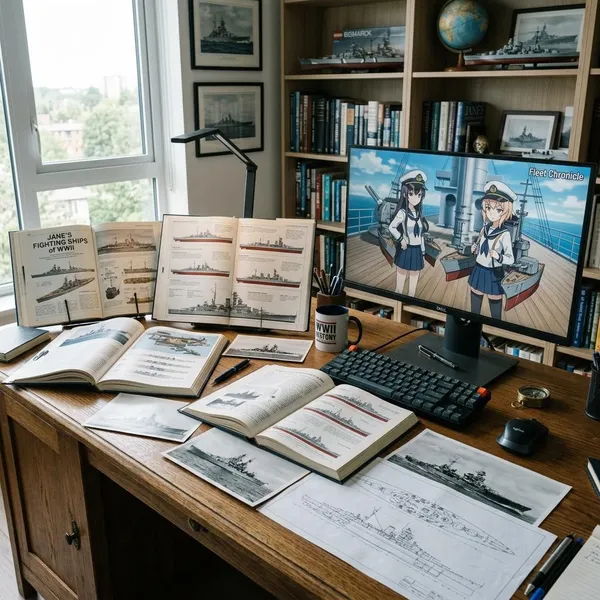
How Does Kantai Collection Use Warship History?
Kantai Collection uses naval history as a design language. Names, classes, equipment, and character presentation all point back to real ships, but the anime reshapes them into fantasy action and character drama.
Ship names and classes
Ship names are not random labels. A character's class usually hints at her combat function, personality framing, and relative status in the fleet.
| Ship type in the anime | What it usually tells a new viewer |
|---|---|
| Destroyer | Fast, lighter, often tied to growth or support roles |
| Carrier | Aircraft-based attacks and a more strategic battle presence |
| Battleship | Heavy firepower, prestige, and stronger visual impact |
Weapons and equipment
The girls' equipment turns ship features into readable anime action: turrets, torpedoes, aircraft decks, and naval guns become wearable or handheld gear. That is why the battles can feel organized even when the premise is highly stylized.
Character designs
Designs often give quick clues before anyone explains a character. A carrier may have archery or flight-deck motifs; a heavier ship may look more imposing; a smaller ship may appear more agile or youthful.
Naval references
The anime uses naval ideas such as sorties, repairs, resupply, scouting, and escorts to make the setting feel operational. You do not need to pause and research every term, but noticing those routines helps the world make more sense.
If you are casually watching, focus on who is sent into battle together and what role each character plays. If you are watching because you already like naval history, treat the references as extra flavor rather than a checklist for accuracy.
What Is the Kantai Collection Anime Like?
The tone moves between naval fantasy action, light comedy, character bonding, and wartime drama. That mix is the main reason reactions can vary: the show is not trying to be only one thing.
It is a good fit if you like ensemble anime where quiet character scenes make the battles matter more. It is a weaker fit if you want either pure military strategy or pure slice-of-life comfort.
Naval fantasy action
The action shows ship girls moving across the sea, firing weapons, launching aircraft, and working in class-based roles. It is not a simulation, but it usually keeps enough internal logic for battles to feel purposeful.
Light slice-of-life comedy
Base-life scenes give the anime warmth. Meals, casual conversations, training mishaps, and personality clashes make the fleet feel like a community instead of a roster of units.
Character-focused moments
The strongest emotional material usually comes from admiration, insecurity, teamwork, and fear of failing the fleet. Fubuki's relationship with stronger Kanmusu gives the story a clear human angle even when the setting is unusual.
Darker wartime drama
The anime does include danger, uncertainty, and loss. It does not stay bleak all the time, but the Abyssal Fleet is treated as a real threat rather than a harmless excuse for action scenes.
Kantai Collection Anime vs Game
The anime and the game share the same core idea, but they serve different habits. The anime is for guided watching; the game is for collecting, managing, and building attachment over time.
For a newcomer, the practical choice is simple: start with the anime if you want to understand the premise quickly, and look into the game side later if the characters and naval theme catch your interest.
Fixed story instead of player-driven gameplay
The anime follows a set plot, mostly through Fubuki and the characters around her. That makes it easier to watch casually because you are not responsible for fleet choices, resources, or progression.
The game's appeal is different: your fleet, your management decisions, and your long-term investment shape the experience. Someone who enjoys strategy loops may prefer that, while someone who wants a clear emotional arc will probably find the anime more convenient.
Smaller focus on the fleet
The anime cannot give every ship girl equal attention. It narrows the cast so the story stays readable, which is helpful for new viewers but can disappoint fans whose favorites receive little screen time.
Simpler game systems
Game mechanics become broad story ideas in the anime: training, repairs, sorties, formations, and mission preparation. That simplification is a good thing for pacing, because a full explanation of resource systems would slow the story down.
- New to the franchise: do not worry about missing mechanics.
- Coming from the game: expect adaptation choices, not a system-by-system recreation.
- Watching for characters: the anime gives personalities faster than gameplay does.
More character-driven storytelling
The anime puts emotion ahead of management. Fubuki's confidence, Akagi's influence, the fleet's bonds, and the pressure of sorties matter more than optimization.
That makes it a better starting point for viewers who want to know whether the world and cast appeal to them. If you finish a few episodes and only want more characters, the wider franchise will make more sense afterward.
Conclusion
Kantai Collection is worth trying if the idea of warship-inspired characters, fleet battles, and base-life downtime sounds more interesting than strange. Start with the anime if you want the quickest, most guided introduction; skip it if you need strict history, constant action, or a small cast with no franchise baggage.
FAQ
Is Kantai Collection based on a game?
Yes. It began as a Japanese browser game centered on collecting and managing ship girls based on historical warships.
Do you need to play the game before watching?
No. The anime explains enough to follow the story, though game knowledge can make cameos, ship names, and class references more recognizable.
How many Kantai Collection anime are there?
There is the 2015 TV anime, a follow-up movie, and a later TV project commonly known in English as KanColle: Let's Meet at Sea. Release naming can be a little confusing, so check the entry title before starting a continuation.
Is Kantai Collection historically accurate?
Not strictly. It uses real ship names, classes, and naval motifs, but the story, battles, and character portrayals are heavily fictionalized.
Is Kantai Collection similar to Azur Lane?
Yes, at the broad "ship girls based on warships" level. The feel is different, with Kantai Collection leaning more toward Japanese naval references, base routines, and a wartime atmosphere.