How to Start an Anime Collection Without Overspending
The easiest way to learn how to start an anime collection is to begin smaller than you want to. Pick one focus, decide what you can spend, and buy one item that fits your space instead of chasing every series, sale, or limited release. A good first collection should feel personal and manageable, not like a pile of things you bought because they were available.
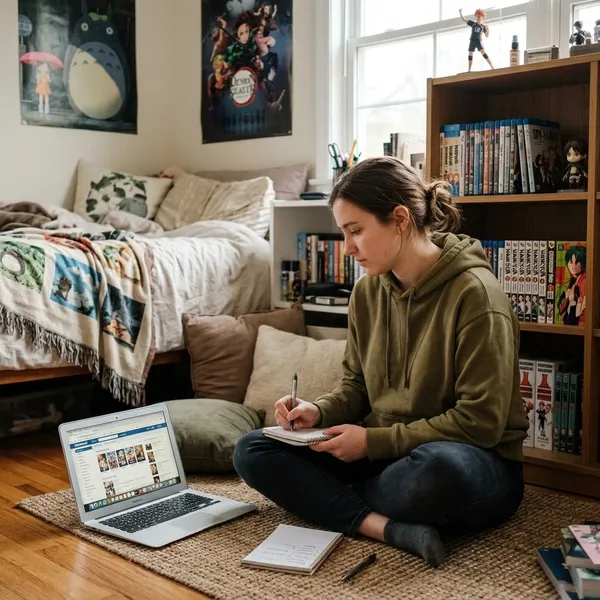
Choose a Focus for Your Anime Collection
A clear focus is the first filter that keeps an anime collection from getting expensive and messy. It does not mean you can never buy anything else. It simply gives you a rule to use when you are tempted by a new figure, box set, poster, or keychain.
For a beginner, the best focus is usually the one you can explain in one sentence: "I collect this series," "I collect manga," "I collect this character," or "I collect sports anime." If an item does not match that sentence, it goes on a wish list instead of straight into your cart.
Collect one favorite series
Starting with one series is the cleanest option if you already have a favorite. A shelf built around One Piece, Demon Slayer, Jujutsu Kaisen, Naruto, or another series you genuinely love will usually look more intentional than a mix of random popular items.
This works well for long-term collecting because you can grow slowly: a few manga volumes first, then one figure, then maybe a Blu-ray set or framed print later. The collection still feels connected even if you only add one item every few months.
Collect one type of item
If you like several anime series, collect one type of item instead of one title. Manga shelves, Nendoroid displays, Blu-ray rows, or wall art collections are easier to compare, organize, and budget for because the items have similar storage needs.
- Best for variety: you can include many series without the display looking chaotic.
- Best for learning: you quickly understand prices, editions, sizes, and quality differences in one category.
- Main risk: buying too many versions of the same type just because they are easy to find.
Collect a favorite character
A character-focused collection is a good choice when one character matters more to you than the franchise as a whole. It can include figures, acrylic stands, keychains, posters, manga covers, or plushies, as long as the same character stays at the center.
This is especially useful in a small room. A desk corner with three carefully chosen character items can look better than a crowded shelf of unrelated merch.
Collect within one genre
A genre focus gives you room to explore while still keeping a theme. For example, a sports anime collection could include Haikyuu!!, Blue Lock, and Kuroko's Basketball, while a mecha shelf could mix older classics with newer releases.
Choose this route if you enjoy discovering new series and do not want your collection tied to only one title. The boundary is looser, so you will need to be stricter with your budget and display space.
Choose What to Collect First
Your first item should match three things: your budget, your space, and how you actually enjoy anime. If you like rereading stories, manga is usually safer than a display figure. If you want your room to show your fandom right away, a poster or figure may feel more satisfying.
A useful beginner rule is to avoid expensive "centerpiece" purchases until you know what you like owning. One affordable, official item teaches you more than a large haul of cheap pieces that may not fit your room or your taste after a month.
Manga and light novels
Manga and light novels are often the best first choice because they are collectible and usable. You can read them, organize them easily, and build slowly one volume at a time.
If you are trying a new series, buy the first volume or two before ordering a full set. Box sets can be good value, but only when you already know you want the whole run.
Figures and Nendoroids
Figures create the strongest shelf impact, but they need more planning than books. Check the height, base size, shipping cost, and whether you want to keep the box before buying.
| Figure type | Beginner fit | What to watch |
|---|---|---|
| Prize figures | Good for a first display piece | Quality varies, so compare real photos |
| Nendoroids | Small, cute, and flexible | Accessories are easy to lose |
| Scale figures | Better for a planned centerpiece | Higher price, larger boxes, more counterfeit risk |
Blu-rays and DVDs
Blu-rays and DVDs make sense if you rewatch favorite shows or care about physical ownership. They are less exciting as room decor than figures, but they can be more practical if streaming availability changes.
Before importing, check the region, subtitles, audio options, and whether the release is official. A nice collector edition is disappointing if you cannot actually play it or read the included extras.
Plushies and small merch
Plushies, acrylic stands, keychains, badges, and mini figures are easy starter items for a dorm room, shared bedroom, or desk setup. They are low-commitment and do not require a display cabinet.
The trap is volume. Five "cheap" small items can cost as much as one better figure or several manga volumes, so set a small-merch limit early.
Posters and wall art
Posters and wall art are ideal when you have empty walls but limited shelf space. One framed print above a desk or bookcase can make a room feel more personal without adding clutter.
- Choose official prints when possible to avoid blurry artwork and poor paper quality.
- Use frames or clips if you want the display to look cleaner and last longer.
- Avoid direct sunlight because prints can fade over time.
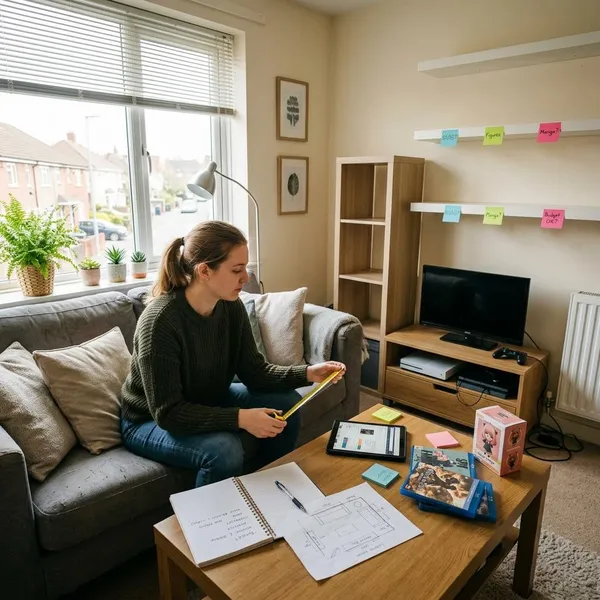
Plan Your Collection Around Your Space
Space decides what kind of collection will stay enjoyable. A small shelf can hold a beautiful manga row or a few figures, but it cannot hold every new release without becoming hard to clean and harder to appreciate.
Measure your shelves
Measure shelf height, width, and depth before buying figures, box sets, art books, or storage cases. Product photos can make items look smaller than they are, especially figures with wide bases, raised weapons, or dynamic poses.
If you plan to mix manga and figures, leave extra vertical room. Manga needs steady shelf depth, while figures often need air around them so they do not look squeezed in.
Set a display limit
A display limit is a simple spending control disguised as a space rule. You might decide that one shelf is for one series, one desk corner is for one character, or you only display three figures at a time.
This helps in two ways: your room looks cleaner, and every new item has to earn its place. If something would only make the shelf busier, it probably belongs on the wish list instead.
Plan storage for boxed items
Figure boxes, Nendoroid parts, Blu-ray collector cases, and manga box sets can take up more room than the items on display. If you care about moving, resale, or keeping parts safe, plan where the packaging will go before it becomes a cardboard pile.
- Use labeled bins for figure boxes and spare parts.
- Keep packaging dry to avoid warping, stains, or mildew.
- Store small accessories together so faces, hands, stands, and parts do not disappear.
Leave space for future additions
Do not fill every empty spot in the first month. Leaving open space makes the collection look calmer and gives you room for a better item later.
This matters most for a long-running series. If new volumes, figures, or editions are still being released, a full shelf today can become a storage problem next season.
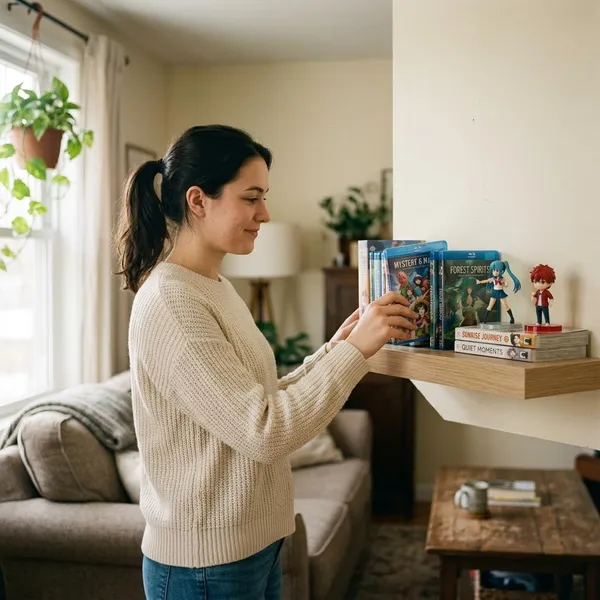
How to Start Your Anime Collection
A beginner collection should start with a short plan, not a shopping spree. The order matters: choose the focus first, set the limit second, then look for sellers and items. Buying first and planning later is how people end up with duplicates, fakes, and shelves they no longer like.
Pick one collection focus
Write down one collecting rule before you buy anything. It can be as simple as "official Chainsaw Man manga and figures only" or "one shelf of romance manga."
If that rule feels too restrictive, use it for your first three purchases only. After that, you will have a better sense of whether the focus feels right.
Set your budget
Choose a monthly amount or a per-item limit that does not touch essentials. Include shipping, tax, import fees, display stands, frames, sleeves, or storage bins when they apply.
For occasional collecting, a small monthly budget is enough because you are building slowly. For long-term figure collecting, it is smarter to save for fewer purchases instead of buying every discounted item that appears.
Research trusted sellers
Use official shops, publisher stores, authorized hobby retailers, and marketplaces with strong buyer protection. A very low price on a popular figure or "limited" item should make you pause, not rush.
- Check recent reviews for authenticity, packaging, and shipping problems.
- Read return policies before buying fragile or expensive items.
- Prefer sellers who know anime goods because they are more likely to package books, boxes, and figures properly.
Buy your first item
Make the first purchase easy to live with. A manga volume, official poster, small plush, prize figure, or Blu-ray of a favorite series is usually a better test than an expensive rare item.
After it arrives, notice what you actually enjoy: reading it, displaying it, arranging it, or simply owning it. That reaction should guide your next purchase more than online hype does.
Track what you own
Start a simple list from the beginning. Add the item name, series, seller, price paid, purchase date, and condition. For figures, note whether you kept the box and where it is stored.
This sounds boring until it saves you from buying a duplicate volume, forgetting a pre-order, or realizing too late that small purchases are adding up faster than expected.
Build a wish list
A wish list creates a waiting period between wanting something and buying it. If you still want the item after a week or two, it is more likely to belong in your collection.
Rank the list by what you would regret missing most. That makes sales easier to handle because you are not deciding from scratch every time a shop sends a discount email.
Conclusion
The best first anime collection is not the biggest one; it is the one you can afford, display, and still feel good about a few months later. Start with one focus, buy one official item, and let your habits show you what is worth collecting next. If an item does not fit your budget, space, or theme, waiting is usually the smarter choice.
FAQ
How much money do you need to start an anime collection?
You can start with about $20 to $50 if you choose a manga volume, small plush, poster, or sale-priced prize figure. Save more before buying scale figures, imports, or collector editions because shipping and fees can change the real cost.
Is manga or anime merch better to collect first?
Manga is usually better for beginners because it is easier to store and gives you something to read. Choose merch first if your main goal is room decor or you care more about one character than the story format.
Where should beginners buy anime collectibles?
Beginners should use official shops, licensed retailers, trusted anime stores, and marketplaces with clear reviews and buyer protection. Avoid listings that are far cheaper than normal unless you can verify the seller and product photos.
Should you collect one anime series or several?
Start with one series if you want the easiest way to control spending and keep the display cohesive. Collect several only if you use another boundary, such as one genre, one character type, or one item format.
Are manga worth collecting?
Yes, manga are worth collecting if you enjoy reading and want a collection that grows naturally over time. They are usually more practical than many display-only items, but long series still need shelf space and a budget plan.