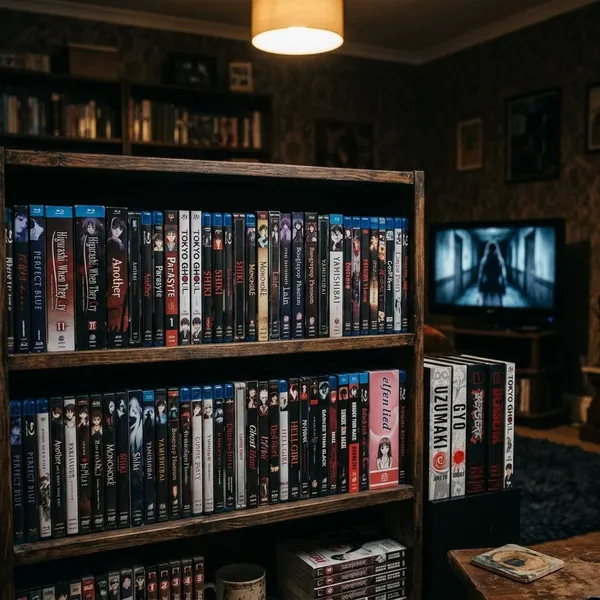
How Large Can an Anime Figure Collection Become?
The biggest anime figure collection is hard to judge by one number, because "big" can mean thousands of small figures, a full room of glass cabinets, or a smaller display packed with rare pieces. If you want a fair comparison, check count first, then look at display footprint, figure type, rarity, and condition before deciding how impressive the collection really is.
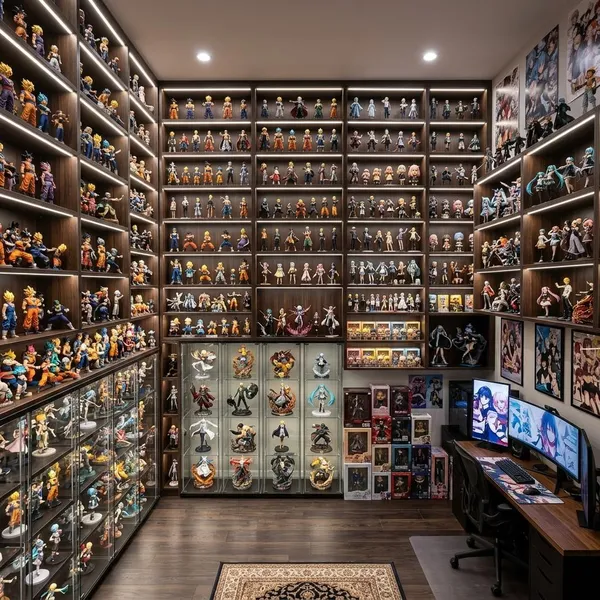
How are massive anime figure collections compared?
Massive collections are usually compared across several practical measurements, not by a single official standard. A collector with 1,000 prize figures and Nendoroids may win on count, while someone with 200 large scales and resin statues may need more room and have a much higher total value.
| Comparison point | What it tells you | Where it can mislead |
|---|---|---|
| Figure count | How many pieces the collector owns | Small figures can inflate the number |
| Display space | How large the collection feels in person | A cluttered room may look bigger than it is |
| Variety | How many lines, characters, and franchises are represented | Too much variety can feel unfocused |
| Rarity and value | How hard the figures are to replace | Aftermarket prices can change quickly |
Total figure count
Count is the simplest starting point. Around 100 figures already feels large for many hobby rooms, while several hundred to several thousand pieces moves into serious collector territory.
- Under 25 figures: usually a starter shelf or focused favorite-character display.
- 25 to 100 figures: enough pieces that shelf planning starts to matter.
- 100 to 300 figures: clearly large for most homes, especially with mixed figure sizes.
- Several hundred or more: a collection that usually needs dedicated cabinets, tracking, and dust control.
Display space
Display space shows how much of a home the collection actually occupies. A full wall, a dedicated room, or multiple floor-to-ceiling cabinets will often feel more impressive than a higher number of figures squeezed into boxes or crowded shelves.
For a small apartment collector, compact shelving and risers may make 150 figures feel huge. For someone with a spare room, the same number might look modest unless the figures are large scales or statues.
Figure variety
Variety matters because it changes how interesting the collection is to look through. A mix of prize figures, Nendoroids, action figures, scales, and resin statues creates more visual rhythm than rows of nearly identical figure types.
Rarity and value
Rare figures can make a smaller collection feel more serious than a larger one. Limited releases, older discontinued figures, exclusives, and well-kept premium pieces often carry more collector weight than easy-to-replace figures.
Value is not just retail price. Condition, authenticity, original boxes, missing parts, and current demand all affect what a collection may be worth. If two rooms look similar in size, the one with cleaner rare figures and complete packaging may be far more valuable.
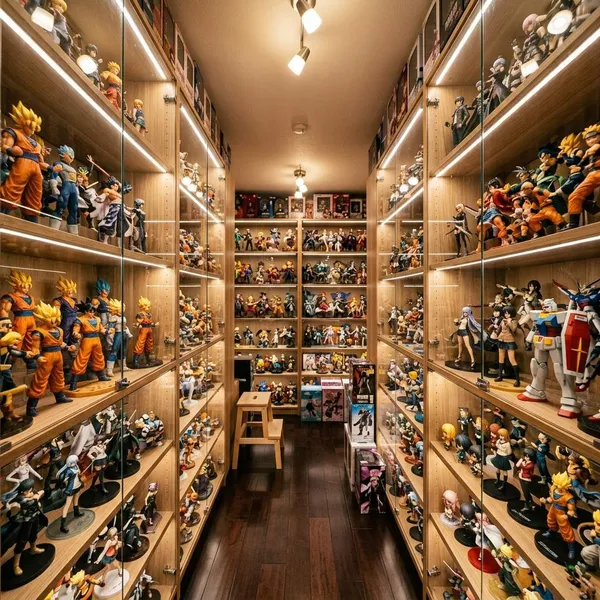
What figures fill the biggest anime collections?
The largest collections usually mix affordable figures for volume with premium pieces for impact. That mix lets a collector cover more characters without making every shelf expensive, while still giving the room a few standout pieces worth slowing down for.
If you are building your own collection, decide early whether you care more about character coverage or a smaller number of display-quality figures. Chasing both at once can get expensive and messy fast.
Prize figures for sheer volume
Prize figures are the easiest way to build a room that looks full. They are usually cheaper than scale figures, widely released for major franchises, and useful when you want lots of characters from series such as One Piece, Dragon Ball, Naruto, Demon Slayer, or Jujutsu Kaisen.
They are best for collectors who enjoy breadth: many characters, many poses, and shelves that feel busy. The trade-off is that lower average cost can tempt you to buy too casually, so duplicates and weak display choices pile up quickly.
Nendoroids for compact variety
Nendoroids are ideal when space is limited but you still want a high figure count. Their small footprint makes them practical for desks, narrow shelves, and apartment displays, while the faceplates and accessories keep them from feeling too plain.
They also count as anime figures, even though their style is more chibi than realistic. A wall of Nendoroids can be one of the most efficient ways to create a large-looking collection without needing deep cabinets.
Scale figures for premium displays
Scale figures usually bring better sculpting, stronger paintwork, and a more polished shelf presence. They are the pieces that make a collection feel curated instead of just accumulated.
- Choose scales when you want fewer figures with stronger impact.
- Use them as anchors between smaller figures so the shelf has focal points.
- Measure cabinet depth first because bases, hair, weapons, and effects can take more room than expected.
Action figures for character range
Action figures add movement and flexibility. Lines such as Figma and S.H.Figuarts are useful for battle scenes, photography, and characters that may never receive a large static figure.
In a giant display, they help break up rows of fixed poses. They are especially useful for collectors who like changing shelves over time instead of keeping every figure in one permanent position.
Resin statues for large centerpieces
Resin statues are the dramatic centerpieces in many high-end rooms. They are often larger, heavier, and more expensive than standard PVC figures, so even a few can change the whole feel of a collection.
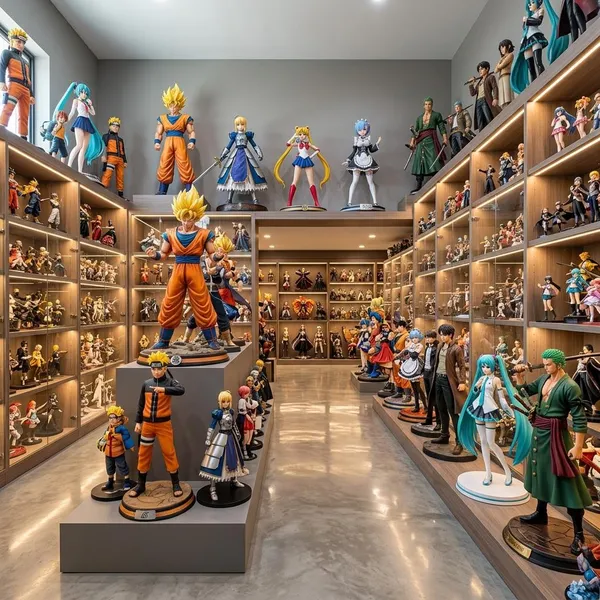
What do giant anime figure displays look like?
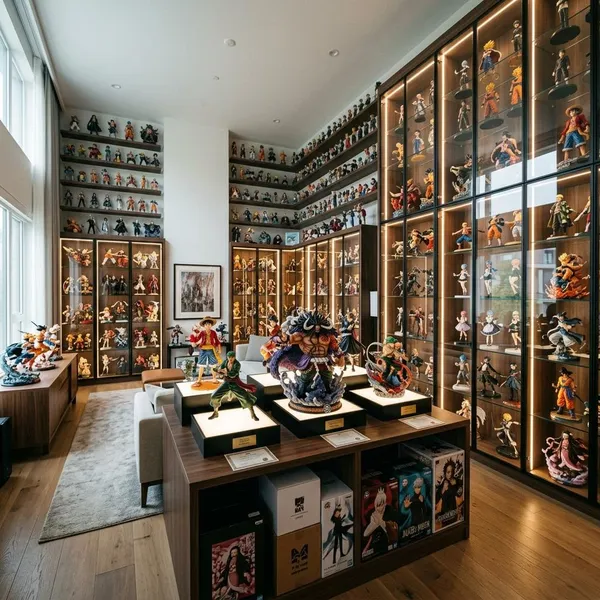
Giant displays tend to look best when they have a clear viewing plan. The most memorable rooms are not just packed; they use height, lighting, grouping, and a few strong focal points so the eye knows where to go first.
Wall-to-wall shelving
Wall-to-wall shelving works well for collectors who prioritize quantity. It gives you room for prize figures, Nendoroids, boxed items, and broad franchise sections without the cost of enclosing every shelf in glass.
The downside is dust and visual noise. Open shelving needs regular cleaning, and it can look chaotic if every shelf is filled edge to edge. Risers, repeated shelf heights, and small gaps around key figures help keep the display readable.
Floor-to-ceiling cabinets
Floor-to-ceiling cabinets make a large collection look cleaner and more permanent. Glass doors help with dust, and lighting can make darker figures or detailed bases easier to see.
They are a strong choice for scale figures and delicate premium pieces, but they are not perfect for every figure. Before buying cabinets, check shelf depth, weight limits, and adjustable height; oversized bases and resin effects can turn a beautiful cabinet into wasted space.
Franchise-themed sections
Franchise-themed sections make a huge room easier to understand. Grouping by series lets visitors immediately read the display, and it helps the collector see which shelves are already complete and which ones are becoming overcrowded.
- Pick one main sorting rule: franchise, character, figure line, or scale.
- Place the largest pieces first: they decide shelf height and depth.
- Add mid-sized figures next: use risers so back rows are visible.
- Fill small gaps last: Nendoroids and compact prize figures work well here.
This works especially well for long-running series with big casts. A One Piece section, for example, can look intentional even with many figure lines mixed together, as long as the largest pieces set the layout.
Large centerpiece statues
Large centerpiece statues give a display its strongest first impression. They are usually placed at eye level, under dedicated lighting, or in the middle of a themed section where they can act as the visual anchor.
Why can huge anime figure collections be so valuable?
Huge collections become valuable because the cost is layered: the figures themselves, shipping, display furniture, rare releases, and years of discontinued items. A room does not need every figure to be expensive for the total value to climb surprisingly high.
Premium figures raise the average cost
Premium figures push the average value up because each piece starts at a higher price and often has stronger display appeal. A shelf of well-kept Alter, MegaHouse, Kotobukiya, or Aniplex+ figures can be worth much more than a shelf with the same number of budget releases.
For someone collecting casually, one or two premium figures can make a favorite-character shelf feel finished. For a long-term collector, too many premium preorders at once can become the main budget risk.
Rare releases command higher prices
Rare releases become expensive when supply disappears and demand stays active. Store exclusives, convention versions, bonus parts, older discontinued figures, and characters with few official releases can all become harder to replace.
Aftermarket value can change, so it is safer to treat rarity as a collecting bonus rather than a guaranteed investment. Buy rare figures because you would still enjoy owning them if the price stopped rising.
Resin statues add value quickly
Resin statues can raise a collection's value fast because they often start expensive and take up major display space. One sold-out centerpiece may be worth more than a full row of standard prize figures.
They also carry higher risk. Broken effects, missing parts, weak packaging, or shipping damage can hurt resale value heavily, so condition checks matter more than they do with many smaller PVC figures.
Condition and authenticity affect resale value
Condition and authenticity decide whether a collection is easy to value or difficult to sell. Official figures with clean paint, intact parts, original boxes, blister trays, and proof of purchase are usually more attractive to buyers than loose or uncertain items.
- Keep boxes for expensive figures if you have the space.
- Avoid direct sunlight to reduce fading and material stress.
- Buy from trusted sellers when the figure is rare or unusually cheap.
- Check older figures occasionally for leaning, sticky surfaces, loose joints, or cracks.
Conclusion
A truly huge anime figure collection is best judged by what it achieves: high count, strong room presence, rare pieces, or a careful mix of all three. If you are comparing collections or building your own, start with space and display goals before chasing numbers, because the best collections are the ones that stay enjoyable to view, maintain, and actually live with.
FAQ
How many anime figures count as a large collection?
Around 100 figures usually feels large in a normal home. The number feels different if most pieces are tiny Nendoroids versus large scales or statues.
Do Nendoroids count as anime figures?
Yes, Nendoroids count as anime figures. They are stylized, but they are still official character figures and often form a major part of high-count collections.
Do resin statues count as anime figures?
Yes, if they depict anime or manga characters. They are usually treated as premium collectibles rather than everyday shelf fillers because of their size, price, and display needs.
What is the largest verified figure collection?
There is no single widely accepted verified record specifically for anime figure collections. Fans often compare large collections informally because collectors count figure types, boxed items, statues, and duplicates differently.