Understanding Anime Collecting Games and What to Look For
Anime collecting games are worth trying if you enjoy building a roster, improving favorite characters, and testing different teams over time. The main thing to check before choosing one is not the art style alone, but how the game gives you new units, how much time it asks for, and whether progress feels fair without constant spending.
How Do Anime Collecting Games Work?
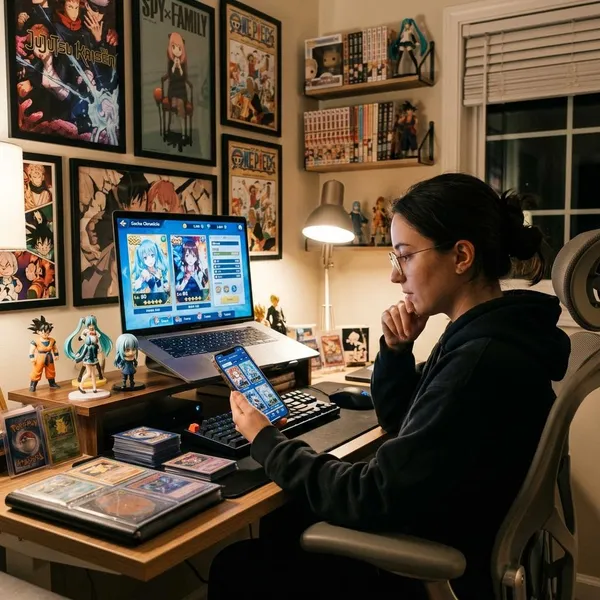
Most anime collecting games follow a simple loop: start with a few characters, unlock more, upgrade the strongest or most useful ones, and build teams for different challenges. The fun comes from watching your roster become more flexible, not just from owning rare characters.
Start with a basic roster
The starter roster should teach roles clearly. A beginner-friendly game gives you enough damage, defense, and support to understand combat before it asks you to make harder upgrade decisions. If the first few characters become useless almost immediately, that is often a warning sign for harsh progression later.
Earn or summon new units
New units can come from story rewards, login campaigns, event shops, fragments, exchange systems, or randomized summons. The healthiest setup gives you more than one route to grow your roster.
For a casual player, predictable unlocks matter a lot. If you only play a few sessions per week, a game with guaranteed event rewards will usually feel better than one where most improvement depends on saving currency for rare banners.
Upgrade your best characters
Upgrades often include levels, skills, gear, promotions, duplicates, or awakening systems. Do not spread every material evenly at the start; focus on a small core team that can clear daily content, then widen your roster once resources become steadier.
- First priority: units used in daily farming or story progress.
- Second priority: supports, healers, or tanks that keep teams alive.
- Wait before investing: niche characters you only use in one rare mode.
Build teams for different modes
Rarity helps, but it should not be the only answer. A good collection system makes you think about roles: single-target damage for bosses, area attacks for farming, survival tools for long fights, and counters for specific enemies.
This is where long-term players often get more value from a broad roster. Someone who plays mostly story content may only need one reliable team, while a player who enjoys raids, towers, or PvP will need several specialized setups.
Progress through events and challenges
Events show how generous and manageable a game really is. Good events give useful materials, currency, characters, or cosmetics without turning every week into a chore. If events feel impossible unless you spend, grind heavily, or own the newest unit, the game may become tiring after the beginner rewards end.
Main Types of Anime Collecting Games
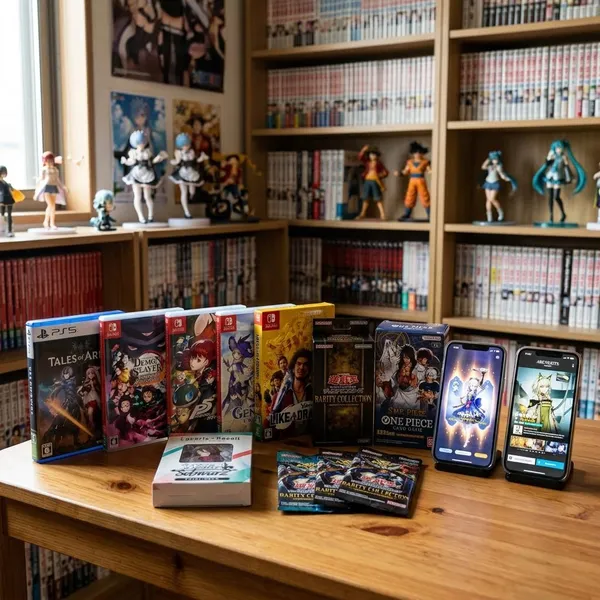
The category is broader than one style of game. Two titles can both focus on collecting anime-style characters, yet feel completely different in daily play. Choose by the loop you want to repeat, not just by the characters you want to unlock.
Gacha RPGs
Gacha RPGs are the most familiar version of anime collecting games. They usually combine story chapters, character banners, upgrade materials, teams, and rotating events.
They work best when you enjoy long-term account building and character attachment. The risk is complexity: if the game throws too many currencies, duplicate systems, and limited banners at you before explaining priorities, beginners can waste resources quickly.
Card collectors
Card collectors focus on deck construction, effects, counters, and sequencing. A lower-rarity card can still matter if it completes a strong combination, which makes this style appealing for players who prefer planning over flashy action.
Strategy collectors
Strategy collectors make positioning, range, terrain, turn order, or class matchups part of the collection value. You are not only asking "who is strongest?" but also "where should this unit stand, and what problem does it solve?"
This is a better fit for patient players than for someone who wants quick auto-battles during breaks. The extra thinking is the point, but it can feel slow if you only want light daily progress.
Idle collectors
Idle collectors let progress build while you are away, then ask you to check in, claim rewards, upgrade units, and adjust formations. They are useful for busy players who want collection progress without treating the game like a second job.
The trade-off is lower involvement. If your favorite part of a game is manual combat, an idle collector may feel more like account management than play.
Action collectors
Action collectors combine roster building with dodging, combos, switching characters, and timing skills. Device performance and controls matter more here, so test the game before committing if you plan to play on an older phone or during short, interrupted sessions.
Anime Collecting Games vs Gacha Games
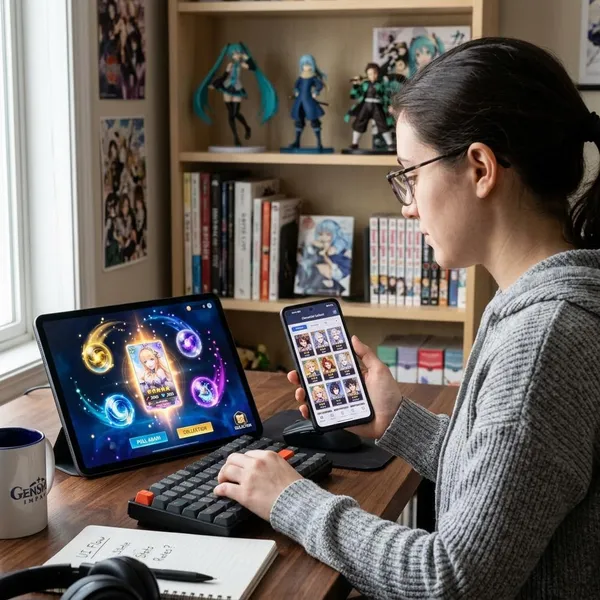
Anime collecting games and gacha games overlap, but they are not the same thing. Collecting describes the goal: building and improving a roster. Gacha describes one possible method: using randomized pulls to obtain characters, cards, weapons, or items.
Collecting is the broader category
A collecting game is built around roster growth. If the main appeal is gathering characters, improving them, and using them in different modes, it fits the category even if every character is earned through missions or crafting instead of random pulls.
Gacha uses randomized pulls
Gacha systems use currency for a chance at items from a pool. The important details are the rates, pity rules, featured units, duplicate requirements, and how often free players can earn pull currency.
Some collecting games skip gacha
Some games let you unlock characters through campaign progress, event shops, fragments, achievements, or direct purchases. That removes some of the excitement of random pulls, but it gives players more control. If you dislike gambling-style reward loops, this is the first monetization detail to check.
What Makes a Good Anime Collecting Game?
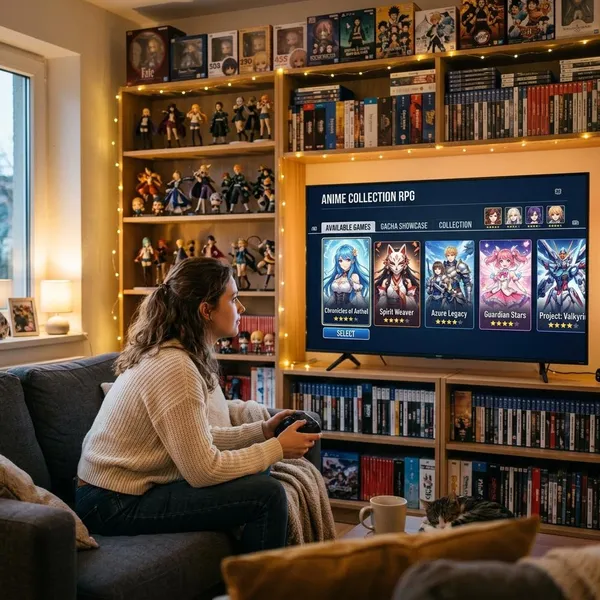
A good anime collecting game makes your choices feel useful after the first week. Nice artwork can get you to download, but fair progression, readable systems, and meaningful team building are what decide whether the game stays enjoyable.
A varied collection
A varied collection means characters do different jobs, not just that the roster is large. Look for clear roles, elements, factions, skills, or team identities. If most units feel like the same character with different art, collecting becomes shallow quickly.
Fair progression
Fair progression lets regular play create visible improvement. Paid options may speed things up, but they should not be the only realistic way to clear normal content or participate in events.
- Good sign: daily play gives useful materials and currency.
- Good sign: missed events do not permanently ruin your account.
- Warning sign: late upgrades require many rare duplicates with no practical alternative.
Meaningful team building
Team building is meaningful when supports, tanks, debuffers, counters, and lower-rarity units can matter in the right situation. If the correct answer is always "use the newest rarest character," the collection system has less depth than it appears.
For PvE players, this keeps bosses and events interesting. For PvP players, it matters even more because counterpicks and role coverage can decide whether a team survives the current meta.
Useful events
Useful events give rewards that help your account move forward: upgrade materials, currency, exclusive units, cosmetics, or targeted resources. They should also be readable. If you need a spreadsheet just to know what to farm, the event design may be adding friction instead of fun.
Clear monetization
Clear monetization means you can understand what costs money, what can be earned, and what paid items actually do. Monthly passes, cosmetics, banners, battle passes, and direct packs can all be acceptable, but confusing currency layers and vague bundle value make it harder to set limits.
How to Choose an Anime Collecting Game
The best choice depends on your routine. A popular game can still be a bad fit if it demands long daily sessions, pushes competitive spending, or uses a combat style you do not enjoy.
Pick your preferred gameplay style
Choose the combat loop before choosing the prettiest roster. Turn-based RPGs suit players who like planning, action collectors suit players who want control and timing, card collectors reward synergy, and idle collectors fit low-maintenance play.
Match your available play time
If you only want a game for breaks, look for short dailies, sweep options, passive rewards, and events that do not punish missed days. If you want a main hobby game, deeper modes, guild content, manual battles, and longer event goals may be a better fit.
This is one of the easiest ways to avoid burnout. A game can be generous and well-made, but still feel wrong if it expects more routine attention than you want to give.
Check the monetization model
Check monetization before the beginner rewards make everything feel easy. Look at how premium currency is earned, whether pity carries over, how important duplicates are, and whether PvP heavily favors spenders.
A useful personal rule is to decide your spending limit before you care about a specific banner. Once you are attached to a character, it becomes much harder to judge the store calmly.
Choose your preferred platform
Mobile is convenient for logins, short sessions, and idle or turn-based play. PC or console can be better for action combat, longer sessions, cleaner visuals, and more comfortable controls.
Also check storage size, battery drain, loading times, and cross-platform support. These sound like small details, but they affect whether you actually keep playing after the first few days.
Decide between PvE and PvP
PvE-focused games are usually better if you want story, events, collection progress, and less pressure. PvP-focused games can be exciting, but they often require closer attention to balance changes, team counters, and spending efficiency.
If losing to stronger paid accounts would annoy you, choose a PvE-first game or one where PvP rewards are not essential. If adapting to a meta sounds fun, PvP can give your roster more long-term purpose.
Conclusion
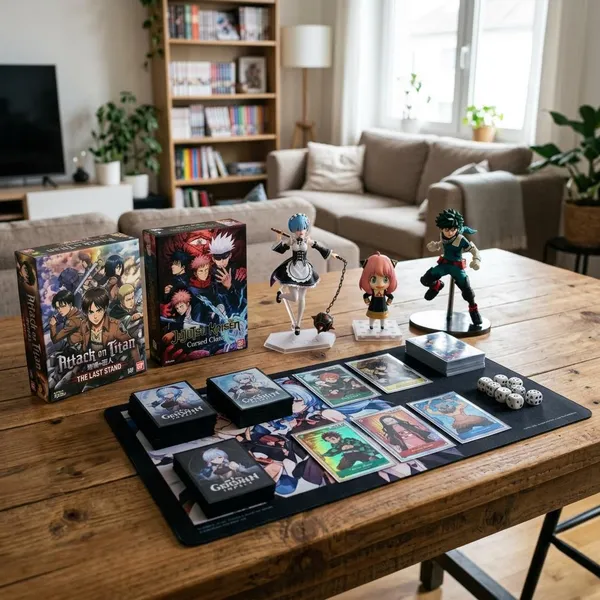
The easiest way to choose well is to look past the banner art and judge the daily loop: how you get characters, how upgrades work, how much time the game wants, and whether spending is transparent. If those basics match your habits, anime collecting games can stay fun for a long time; if they do not, even a beautiful roster will start to feel like work.
FAQ
Are anime collecting games usually free to play?
Yes, many are free to download. The important check is whether free players can still earn steady currency, upgrade materials, and event rewards after the beginner bonuses end.
Can anime collecting games work without gacha?
Yes. A game can focus on collecting while using story unlocks, crafting, fragments, event shops, or direct purchases instead of randomized pulls.
Are anime collecting games pay to win?
Some are, especially when PvP power depends heavily on paid pulls or duplicate upgrades. PvE-focused games with clear guarantees and steady free rewards are usually easier to enjoy without spending.
What is the best platform for anime collecting games?
Mobile is best for quick daily play, while PC or console is better for action-heavy games and longer sessions. Cross-platform support is ideal if you want both convenience and comfort.