Animal Crossing New Leaf Collectibles and Where to Find Them
If you are trying to finish your museum or simply stop losing track of what you still need, animal crossing new leaf collectibles are best handled by category: donate first, catalog second, and save personal collections like gyroids once the daily checks are done. The biggest mistake is treating every item the same, because fish, bugs, fossils, art, and gyroids all follow different rules.

What Counts as a Collectible in Animal Crossing New Leaf?
In Animal Crossing: New Leaf, collectibles fall into a few practical groups. Museum items are the main completion goal, catalog items help with decorating and reordering, and gyroids or themed sets give you extra long-term goals after the museum routine becomes familiar.
Museum donations
Museum donations are the core collectibles because they create permanent progress. Fish, sea creatures, bugs, fossils, paintings, and sculptures all belong here, and a first-time donation is usually worth more than the bells you would get from selling it.
- New catch? Check whether the museum needs it before selling.
- Duplicate fossil? Sell it, trade it, or keep it only if you want it for display.
- Unsure about art? Verify it before buying, because fakes do not help the museum.
Catalog items
The catalog tracks many items your character has owned, including furniture, clothing, wallpaper, flooring, and some other orderable pieces. It is not the same as museum completion, but it matters if you like decorating rooms or collecting full furniture themes.
For a casual player, cataloging just means picking up new shop items before selling or storing them. For a completion-focused player, it becomes a separate project where fortune-cookie prizes, seasonal items, and full sets are worth tracking carefully because not every item can be reordered later.
Gyroids and collectible sets
Gyroids are buried sound-making collectibles that usually show up after rain or snow. They are not museum items, but they make good side goals because they are easy to display, easy to trade, and varied enough to build a whole room around them.
Other personal collections can include KK Slider songs, complete furniture lines, holiday sets, or island souvenirs. These do not have the same official pressure as the museum, so they are better treated as "keep if you enjoy them" goals rather than storage obligations.
Main Museum Collectibles in New Leaf
The museum is the clearest place to measure progress, but each wing asks for a different habit. Fossils reward daily consistency, fish and bugs reward timing, sea creatures require diving, and art depends on Redd showing up with something genuine.
If you only have a short session, dig fossils and check special visitors first. If you have more time, spend it on whatever seasonal fish, bug, or sea creature is currently available and easy to miss.
Fish and sea creatures
Fish are caught with a rod in rivers, ponds, waterfalls, and the ocean. Sea creatures require a wetsuit and diving for underwater shadows. Both count toward the aquarium side of the museum, so ignoring diving can leave your collection looking strangely unfinished even if you fish often.
Bugs
Bugs appear in more places than new players expect: flowers, trees, stumps, grass, palm trees, villagers, and even special setups like rotten turnips. Rare bugs are less about running around quickly and more about approaching the right spot slowly.
- Tree beetles: Walk carefully and approach from a controlled angle.
- Flower bugs: Check planted areas instead of only open grass.
- Island bugs: Visit at night when palm-tree beetles are a major target.
Fossils
Fossils are the easiest museum category to build into a routine. Look for star-shaped cracks, dig them up, have Blathers assess them, and donate anything new. They are not tied to season or hour, so they are the best "daily progress" collectible even when you do not have time for a full hunting session.
Paintings and sculptures
Paintings and sculptures are often the slowest museum category because most come from Crazy Redd. His stock is limited, some pieces are fake, and even genuine art may be something you already donated.
Where to Find New Leaf Collectibles
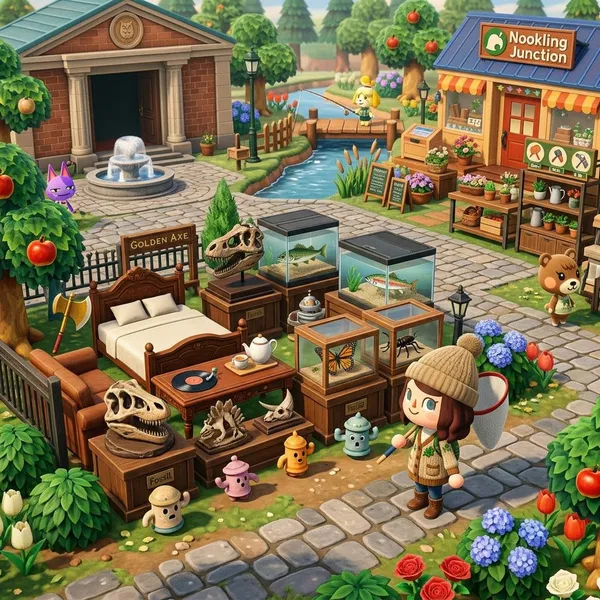
Collectibles are spread across town, the beach, the ocean, Tortimer Island, buried dig spots, and visiting vendors. A good route saves time because you handle the limited or easy-to-miss opportunities before wandering into general fishing or decorating.
A practical order is: check buried spots, check shops and visitors, then hunt the current seasonal targets. That keeps your session useful even if rare spawns are not cooperating.
Fish and sea creatures in the water
Fish appear in different water types, so do not fish only at the beach and expect to fill the whole aquarium. Rivers, ponds, waterfalls, and the ocean all matter, and shadow size can help you avoid wasting time on obvious duplicates.
Sea creatures come from bubbles in the ocean while wearing a wetsuit. If a shadow keeps escaping, try steering it toward the boundary ropes instead of chasing in a straight line. It is a small habit, but it makes fast creatures less frustrating.
Bugs around town and on the island
Town bugs are scattered, while island bugs are more concentrated. That difference changes how you should hunt: town collecting is good for checking varied habitats, but island trips are better when you want focused attempts at rare palm-tree beetles.
For a player trying to earn bells and fill the museum at the same time, nighttime island runs are especially useful. For someone only missing a few town-specific insects, staying in town and checking the exact habitat is usually smarter than repeating island trips out of habit.
Fossils in dig spots
Fossils appear in star-shaped cracks around town. Search behind trees, near cliffs, and along less-used paths before assuming you found them all. Once assessed, donate new pieces first and treat duplicates as bell income or trading material.
Art from Redd
Redd's tent is the main source of art, and every visit deserves a slow check. Compare each piece against a reliable fake-art reference, then check your own donation list before buying. The common mistake is buying the first genuine-looking item and later realizing it was either fake or already donated.
Gyroids after wet weather
Gyroids usually appear buried after rainy or snowy weather, using the same visual dig-spot cue as fossils. If it rained yesterday, add a ground scan to your first town route before you start fishing or shopping.
They are optional, but they fit nicely into two kinds of play: quick daily players can collect them with almost no extra effort, while room decorators can sort them by sound, shape, or theme for display.
How to Complete Your New Leaf Collection Faster
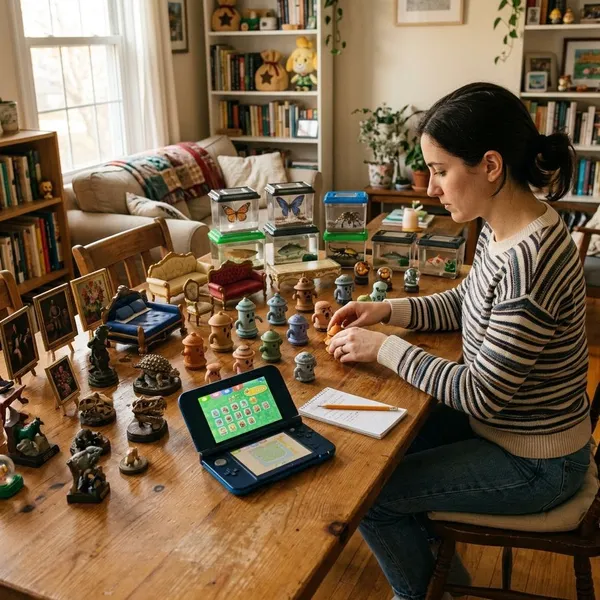
Finishing collections faster is mostly about avoiding missed windows, not grinding every spare minute. The game rewards small repeatable habits: check what resets daily, know what disappears after the season, and keep a record so you do not waste rare catches or art visits.
Check daily collectibles first
Start with anything that can reset or be forgotten: dig spots, shop stock, special visitors, and weather-based finds. Decorating, errands, and casual fishing can wait because they do not usually cost you a limited chance.
- Dig first: Find fossils and possible gyroids before distractions pile up.
- Check visitors: Redd matters most because art progress is slow.
- Shop briefly: Pick up new catalog items if you care about furniture or clothing sets.
- Hunt targets: Spend focused time on current seasonal fish, bugs, or sea creatures.
Track seasonal fish and bugs
Seasonal tracking prevents the most annoying kind of delay: missing something easy and waiting months for it to return. At the start of each month, check which fish, bugs, and sea creatures are new, leaving soon, or only available during hours you rarely play.
Use Tortimer Island for rare catches
Tortimer Island is one of the best places for rare bugs and valuable catches, especially at night. Palm-tree beetles are the obvious reason to go, but the smaller island layout also makes practice easier because you can repeat careful approaches without crossing your whole town.
Keep a museum checklist
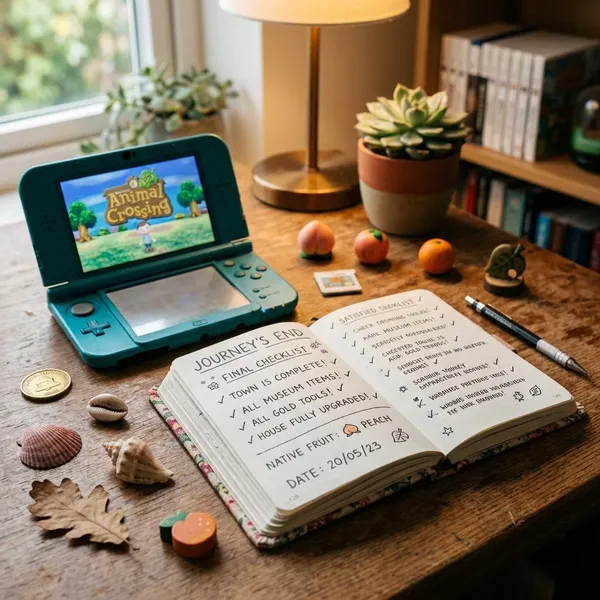
A checklist is the simplest way to stop guessing. It can be a phone note, printed list, spreadsheet, or app, as long as it tells you what is already donated and what is available right now.
- Donation status: Mark fish, bugs, fossils, sea creatures, and art as donated or missing.
- Availability: Add month, time, location, and weather when those matter.
- Art notes: Track genuine pieces separately so Redd duplicates are easy to spot.
- Side goals: Keep gyroids, KK songs, or furniture sets in a separate section.
Hardest New Leaf Collectibles to Complete
The hardest collectibles are not always the rarest-looking ones. Usually they are difficult because they have low spawn rates, short availability windows, or depend on Redd's unpredictable stock.
Rare fish and bugs
Rare fish and bugs become frustrating when the conditions are strict and the appearance rate is low. Before spending a long session hunting, confirm the month, hour, location, weather, and shadow or habitat. Otherwise, you may be working hard in a situation where the target cannot appear at all.
Genuine artwork
Genuine artwork is hard because you cannot force more Redd visits by trying harder. The best you can do is make each visit count: compare the artwork, avoid fakes, and skip genuine duplicates unless you want them for decoration or trading.
Short-season catches
Short-season catches are easy to underestimate because some are not especially hard once you know they are available. The danger is noticing them too late. Check "leaving this month" targets before chasing common duplicates, especially near the end of a season.
Conclusion
Collection progress in Animal Crossing: New Leaf feels much less random when you give each category the right habit: donate new museum items first, check daily resets early, plan around seasonal catches, and treat gyroids or catalog sets as side goals instead of clutter. If you keep one simple checklist and use Tortimer Island when it actually helps, the long road to a fuller museum becomes steady rather than stressful.
FAQ
Can fake art be donated in Animal Crossing New Leaf?
No. Blathers rejects fake paintings and sculptures, so a counterfeit piece will not count toward the art wing. Keep it only if you like it as decoration.
Are gyroids part of the museum collection?
No. Gyroids are separate collectibles, usually found buried after rain or snow, and they are mainly useful for display, trading, or personal set collecting.
Can you complete the museum in one season?
Not under normal play. Fish, bugs, and sea creatures are spread across different months, and Redd's art stock can take much longer than a single season to finish.
Do you need Tortimer Island to complete your collection?
Not for every item, but it helps a lot with rare island bugs and some valuable catches. You still need town-based collecting for many seasonal species and fossils.
What is the easiest way to track New Leaf collectibles?
Use a checklist that shows donation status plus month, time, and location for seasonal creatures. A simple phone note is enough if you update it before selling new finds.